10 Signs You Need a Roof Replacement in Orlando, FL (2026 Guide)
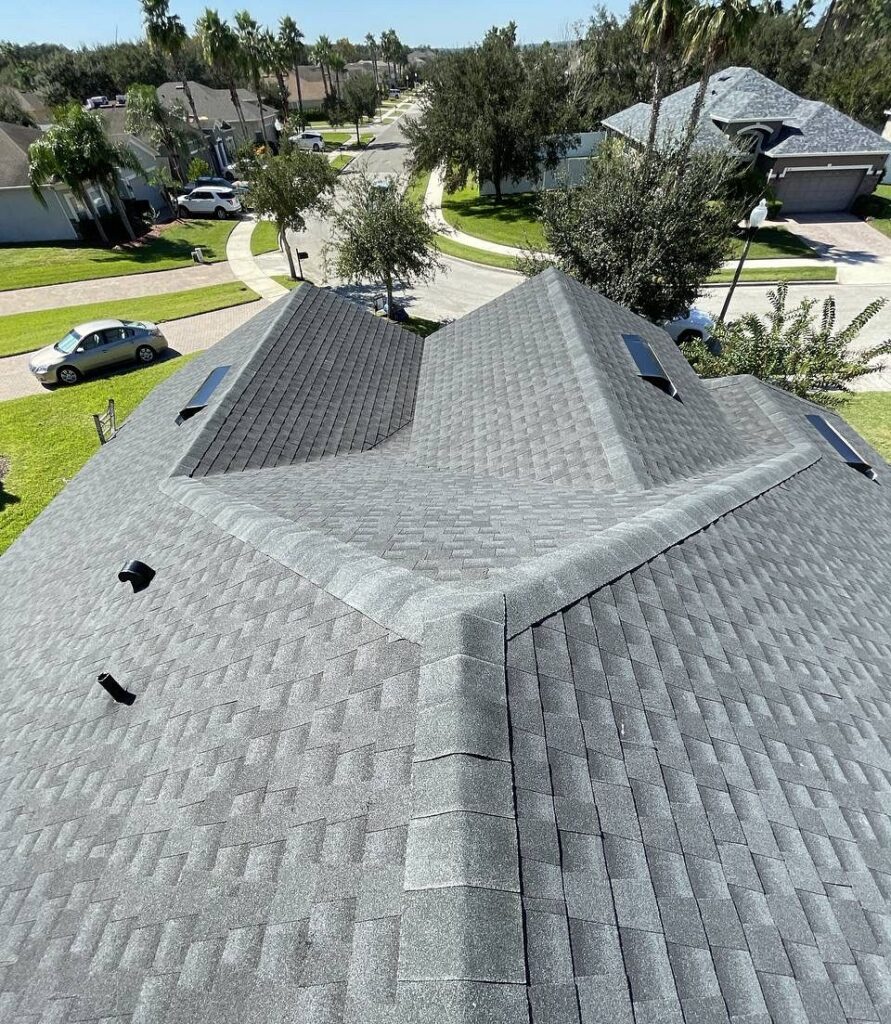
Orlando roofs age faster than most homeowners expect. Between relentless UV exposure, daily summer storms, high humidity, and annual hurricane season, Central Florida is one of the hardest environments on roofing materials in the entire country. A roof that might last 30 years in the Pacific Northwest often reaches the end of its lifespan in 15 to 20 years here.
The problem is that a failing roof rarely announces itself with a flood. Most of the warning signs are subtle — and by the time the damage is obvious, you may already be looking at structural repairs on top of the roofing bill.
This guide breaks down the 10 clearest signs that your Orlando home needs a roof replacement, not just a repair, so you can make an informed decision before a small problem becomes a large one.
You likely need a roof replacement in Orlando if:
- Your roof is 20 years old or older (15 years for lower-grade shingles)
- You see curling, cracking, or missing shingles in multiple areas
- Granules are collecting in your gutters
- There are water stains on your ceilings or walls
- The roof is sagging anywhere, even slightly
- You’ve had two or more repairs in the past five years
- Repair quotes are coming in at 25% or more of what a full replacement would cost
If two or more of these apply, keep reading. If three or more apply, schedule an inspection.
Why Orlando Roofs Age Faster Than Most
Before getting to the signs, it helps to understand the conditions your roof is fighting.
UV radiation in Central Florida is intense year-round. UV breaks down asphalt shingles at the molecular level, causing them to dry out, shrink, and crack over time. This process is far more aggressive here than in northern climates.
Heat cycling happens every single day. Temperatures swing from hot afternoons to cooler nights, and roofing materials expand and contract with each cycle. Over years, this wears down the adhesive strips, loosens fasteners, and creates micro-cracks in shingles.
Humidity and moisture are unavoidable in the Orlando area. Trapped moisture under shingles accelerates mold, algae, and wood rot. Many homes in older neighborhoods like College Park, Conway, and Pine Hills have decades of this kind of moisture accumulation working against them.
Hurricane season runs June through November. Even storms that don’t make direct landfall can send sustained winds of 40 to 60 mph across Orlando, lifting shingles, cracking tiles, and forcing water under the roof deck.
Put it all together, and a roof in Orlando lives a hard life.
The 10 Signs You Need a Roof Replacement in Orlando
1. Your Roof Is 20 Years Old or More
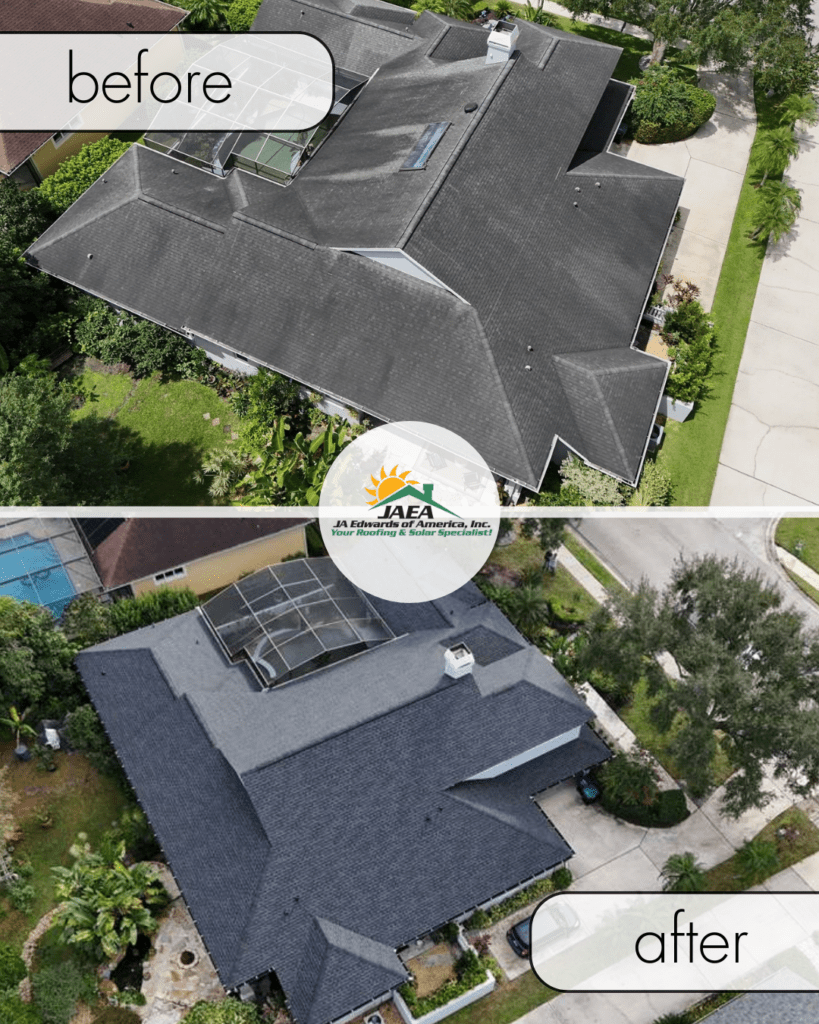
Age is the most straightforward indicator. Standard three-tab asphalt shingles installed in Florida typically last 15 to 20 years. Architectural (dimensional) shingles can last 20 to 25 years under good conditions. Tile roofs are the outlier — clay and concrete tile can last 40 to 50 years if maintained, though the underlayment beneath them usually needs replacement every 20 to 25 years.
If you are not sure when your roof was last replaced, check your home inspection report from when you purchased the property, or pull the permit history from the Orange County Building Division. Permits are public record and will show any documented roofing work.
Homes in established neighborhoods like Audubon Park, Curry Ford West, and the older sections of Winter Park are especially worth checking. Many were built between the 1950s and 1980s and have had one or two roof cycles already.
2. Shingles Are Curling, Buckling, or Cracking
Walk around the perimeter of your home and look up at the roofline. You should not be able to identify individual problem shingles from the ground unless the issue is widespread.
Curling comes in two forms. Cupping is when the edges of the shingle turn upward. Clawing is when the edges stay flat but the middle of the shingle bows upward. Both indicate that the shingle has dried out and is no longer lying flat against the roof deck. Once shingles curl, they lose their ability to shed water and become vulnerable to wind damage.
If you are seeing curling or buckling across multiple sections of the roof, not just one isolated area, that points to material failure rather than installation error. Replacement is almost always the right call at that point.
3. Granules Are Showing Up in Your Gutters
Asphalt shingles are coated with small granules that protect the material underneath from UV rays. As shingles age, these granules loosen and wash off into your gutters every time it rains.
Check your gutters after a heavy summer storm. Finding a handful of granules occasionally is normal. Finding large accumulations, or noticing that shingles on the roof look patchy or discolored in places, is a sign that the shingles have lost a significant portion of their protective coating.
Once granule loss is substantial, the underlying asphalt is exposed directly to the Florida sun. Shingles deteriorate rapidly after that point, and the timeline to failure shortens considerably.
4. You Can See Daylight Through the Attic
On a sunny day, go into your attic and turn off any lights. Let your eyes adjust. If you see pinpoints or streams of light coming through the roof deck, you have gaps or holes in your roofing system.
While you are in the attic, check for any dark staining on the rafters or decking. Dark spots and streaks are signs of water intrusion that may have been occurring for months or longer. If the wood feels soft or spongy when you press on it, the decking itself has likely been compromised and will need to be replaced as part of any roofing project.
5. Water Stains on Ceilings or Walls
Water stains inside the home are a late-stage symptom. By the time moisture is making its way through the roof deck, insulation, and ceiling drywall and becoming visible as a stain, the underlying damage has often been building for a long time.
Brown rings or discoloration on ceilings are the most common presentation. You may also see paint bubbling, wallboard warping, or mold growth near exterior walls, especially in second-floor rooms or finished attic spaces.
Do not assume the stain is from a one-time event. Even if your roof appears dry right now, the next rain event will typically resume the intrusion at the same point.
6. The Roof Is Sagging
A sagging roofline is one of the most serious warning signs on this list. While a slight pitch variation can sometimes be a framing issue from original construction, any new or progressive sagging in the roof deck indicates structural failure.
Common causes include long-term moisture damage to the decking and rafters, insufficient ventilation causing heat buildup, or significant storm damage that was not fully addressed. In some cases, a roof that has been re-roofed multiple times (shingles laid over existing shingles) becomes too heavy for the original framing to support.
If your roof is sagging, get a professional inspection immediately. This is not a repair situation.
7. Storm or Hail Damage
Central Florida does not see as much large hail as the Gulf Coast or the Midwest, but it does happen — and even smaller hail events (half-inch diameter or larger) can cause meaningful damage to asphalt shingles that accelerates their deterioration.
Post-storm signs to look for include: shingles with dark impact marks or bruising, missing shingles (especially at ridgelines and hip edges where wind uplift is highest), damaged or missing flashing around vents and chimneys, and dented gutters or downspouts, which are a good proxy indicator for hail impact on the roof.
If you experienced a named storm or a significant weather event and have not had a professional inspection since, that is a gap worth closing. Many insurance claims are filed successfully years after storm damage occurred, but only with documented evidence of the event.
8. Moss, Algae, or Lichen Growth
In Orlando’s humid climate, dark streaks on the roof are often black algae (Gloeocapsa magma), and visible green growth is usually moss or lichen. These are more than cosmetic issues.
Moss traps moisture against the shingle surface, accelerating the freeze-thaw cycle (which matters less in Florida) but more importantly feeding organic material deeper under the shingle. Lichen is particularly destructive because its root-like structures actually penetrate the shingle surface, removing granules and gouging the asphalt layer when removed.
Widespread moss or lichen on multiple roof sections typically indicates a roof that has been wet and inadequately maintained for years. Professional cleaning can buy time on a newer roof, but on a roof already past its expected service life, cleaning alone is not a solution.
9. You Have Had Multiple Repairs in the Past Several Years
Repairs are appropriate for isolated, localized damage. They are not a long-term strategy for a roof that is failing systemwide.
A useful benchmark is the 25% rule: if the cost to repair the roof equals 25% or more of what a full replacement would cost, replacement is almost always the more economical decision over a five-year horizon. You will spend the same money either way, but with a replacement, you get a new roof warranty and do not keep patching an aging system.
If you have had the same roofing company out two or three times in the past five years for separate issues, ask them directly whether they believe the overall roof has additional service life remaining.
10. Rising Energy Bills With No Other Explanation
A well-functioning roof contributes significantly to your home’s thermal envelope. Roofing underlayment, proper ventilation, and intact shingles all work together to keep attic temperatures manageable and reduce the load on your air conditioning system.
When shingles fail, crack, or lose their reflective coating, more heat transfers directly into the attic. In an Orlando summer, attic temperatures in a home with a degraded roof can exceed 160 degrees Fahrenheit. That heat radiates down into living spaces and forces your HVAC system to work much harder.
If you have noticed a gradual increase in your FPL or Duke Energy bill that you cannot attribute to changes in usage, appliance age, or rate increases, the roof is worth investigating.
Repair vs. Replacement: How to Decide
Not every roofing issue requires a full replacement. Here is a straightforward framework:
Repair is likely right if:
- The roof is under 15 years old
- Damage is limited to a specific area (one section of shingles, one flashing point)
- The repair cost is well under 25% of replacement cost
- There is no evidence of widespread granule loss or deck damage
Replacement is likely right if:
- The roof is 20 years old or older
- Multiple signs from the list above are present simultaneously
- Repairs have been done before and the same area is failing again
- A licensed roofing contractor has inspected and recommended replacement
When in doubt, get two opinions from licensed contractors. In Florida, always verify the contractor holds a valid state roofing license. JA Edwards of America holds licenses CGC1534283 and CCC1334804 and carries full liability and workers’ compensation coverage.
What to Expect From a Roof Replacement in Orlando
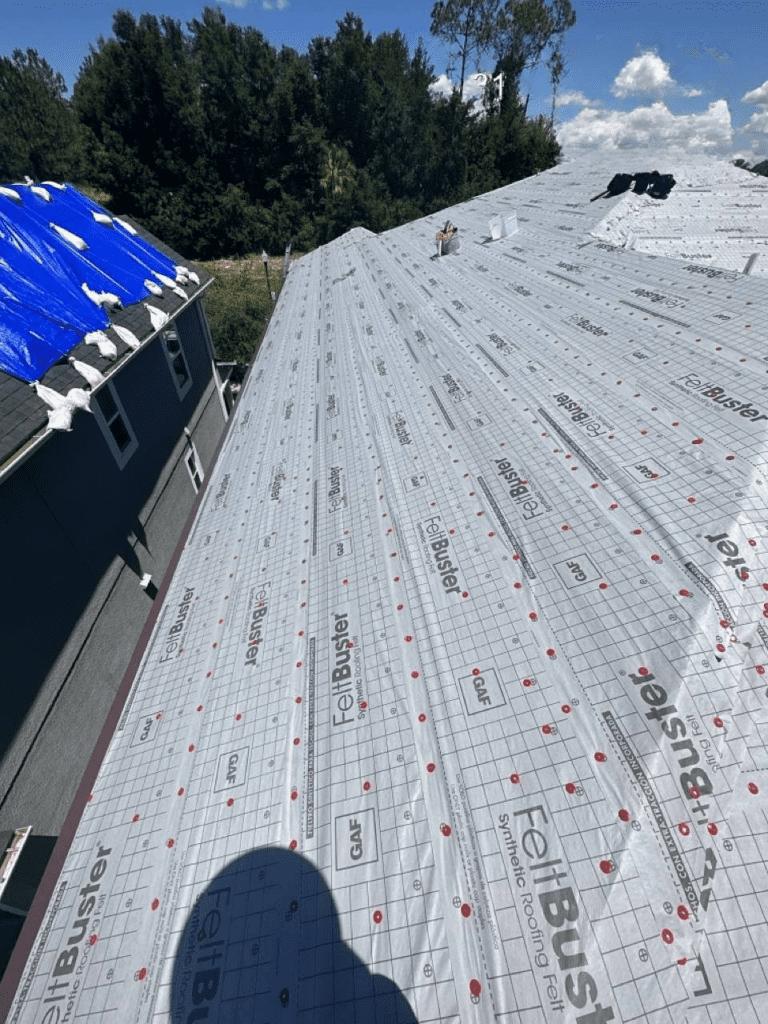
A standard residential replacement in the Orlando area involves removing the existing roofing material down to the deck, inspecting and repairing any damaged decking, installing new underlayment, and installing new shingles or tile. Most single-story homes in the 1,500 to 2,500 square foot range can be completed in one to two days.
JA Edwards of America is a GAF Master Elite contractor and GAF President’s Club 3-Star Award winner, placing us in the top tier of GAF-certified installers in the country. That certification allows us to offer the GAF System Plus warranty, which covers both materials and labor, something most contractors in Central Florida cannot offer.
Financing is available through Slice and Improvifi for qualified homeowners, including options designed around Florida insurance timelines.
For current pricing in the Orlando area, see our roof replacement cost guide for Orlando FL.
Frequently Asked Questions
How long do roofs last in Orlando, FL? Asphalt shingle roofs in Orlando typically last 15 to 25 years, depending on the shingle grade and installation quality. Florida’s UV exposure, heat cycling, and storm activity cause faster deterioration than northern climates. Tile roofs can last 40 to 50 years, though their underlayment usually needs replacement every 20 to 25 years.
Can I replace just part of my roof in Orlando? A partial replacement is possible and sometimes appropriate for isolated storm or wind damage. However, mixing new and aged shingles creates visible color variation and can complicate warranty coverage. If the overall roof is more than 15 years old, a full replacement is usually the better investment.
Does homeowners insurance cover roof replacement in Florida? Florida homeowners insurance typically covers roof replacement when damage is caused by a covered peril, such as a hurricane, wind event, or hail. Wear-and-tear and age-related deterioration are generally excluded. If you have storm damage, document it thoroughly and contact your insurer promptly, as Florida has specific timelines for filing claims after a hurricane or named storm.
What is the best type of roof for Orlando homes? Architectural asphalt shingles are the most common and cost-effective choice for residential homes in Orlando. GAF Timberline HDZ and similar impact-resistant products offer strong performance against Florida weather. For homeowners wanting maximum longevity, concrete or clay tile is worth the additional upfront investment. Metal roofing is also gaining traction in Central Florida for its lifespan and energy efficiency.
How do I know if my roof damage is covered by insurance? After any significant storm, have a licensed roofing contractor inspect the roof before contacting your insurer. A detailed inspection report from a reputable contractor documenting the cause and extent of damage is your most valuable tool when filing a claim. JA Edwards of America provides inspection documentation and works directly with homeowners throughout the claims process.
How long does a roof replacement take in Orlando? Most standard residential replacements in the Orlando area take one to two days for the installation work itself, depending on roof size and complexity. Permitting through Orange County adds time before work can begin. JA Edwards of America handles all permit applications as part of the project.
What neighborhoods in Orlando have the oldest housing stock? Established Orlando neighborhoods including College Park, Audubon Park, Delaney Park, Colonialtown, and portions of Winter Park and Maitland have a significant concentration of homes built before 1985. Many of these homes are on their second or third roof cycle. If you live in one of these areas and have not had a professional roof inspection in the past five years, it is worth scheduling one.
Ready for an Inspection?
JA Edwards of America has been roofing Central Florida since 2004. We perform free roof inspections for homeowners in Orlando, Winter Park, Kissimmee, Ocoee, Apopka, and the surrounding area.
Call our Orlando office: (407) 677-7663
We will give you a straight answer on whether you need a repair, a replacement, or nothing at all. No pressure, no inflated findings, no solar pitches.
Schedule a Free Roof Inspection | See Orlando Roof Replacement Costs