
Florida Wind Mitigation Inspections: What Orlando Homeowners Need to Know

There’s a discount built into Florida’s insurance system that a lot of Orlando homeowners never collect. It doesn’t require a special program or a long application process. It comes from a single inspection that documents how your roof is built, and depending on what that inspection finds, it can reduce your annual insurance premium by several hundred dollars.
That inspection is called a wind mitigation inspection, and if you’ve replaced your roof in the past 15 years, there’s a reasonable chance you qualify for credits you’re not currently receiving. Here’s how the whole thing works.
What Is a Wind Mitigation Inspection?
A wind mitigation inspection is a formal evaluation of your home’s wind-resistant construction features, conducted by a licensed inspector. In Florida, the findings get recorded on a standardized form called the OIR-B1-1802, which is the document your insurance company uses to calculate wind mitigation credits on your policy.
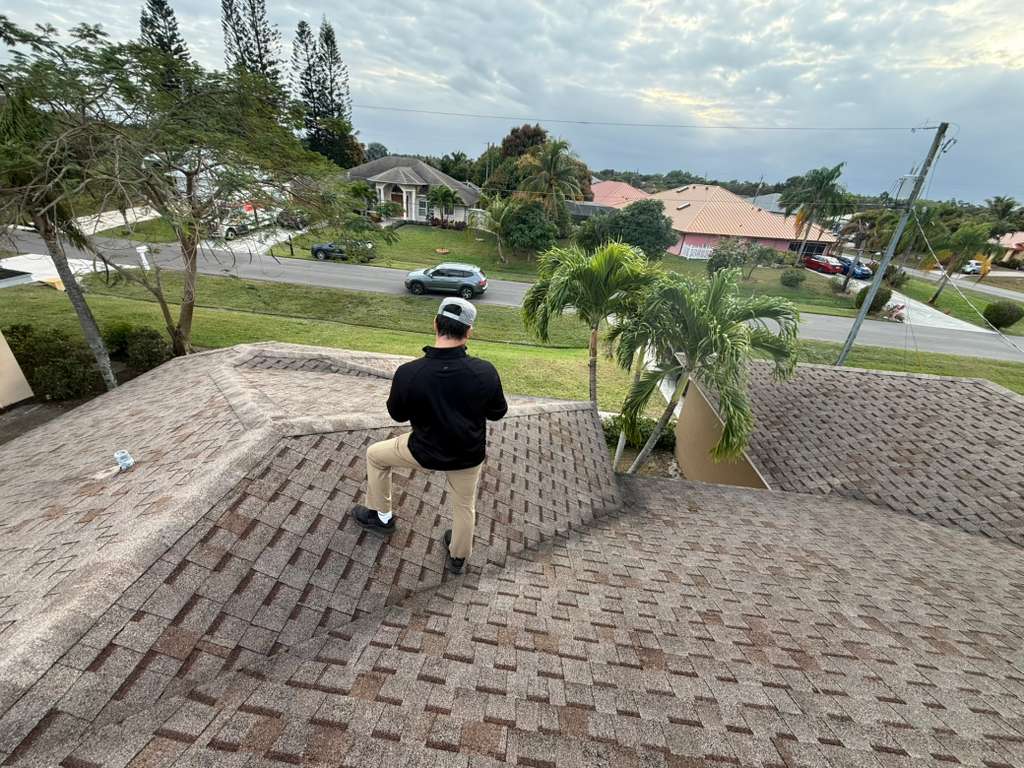
The inspection covers features of your roof and the way it connects to the rest of your home’s structure. Inspectors look at things like the shape of your roof, the type of attachment between your roof deck and rafters, whether the roof deck itself is sealed against water intrusion, what roofing materials are installed, and whether your windows and doors have impact-rated protection.
Each of those features is rated on a scale, and the combination of ratings determines how much credit you receive. The discounts apply specifically to the wind portion of your insurance premium, which in Central Florida can be a significant chunk of your total.
Why This Matters More in Orlando Than You Might Think
Florida’s insurance market has been in a difficult place. Carriers have raised rates, tightened underwriting, and in some cases pulled out of the market entirely. Citizens Property Insurance, the state-backed insurer of last resort, has become the primary carrier for a large number of Central Florida homeowners. Rate pressure has been consistent across the market.
Wind mitigation credits are one of the few tools homeowners can actually use to push back on that. The Florida Department of Financial Services requires insurers to apply these credits when a qualifying inspection is on file, which means your carrier doesn’t have the option to ignore the findings. When the inspection documents a wind-resistant roof, the discount is mandatory.
In Orange County and the surrounding Central Florida area, we’ve seen homeowners save anywhere from $300 to over $1,000 per year depending on their home’s construction and their current carrier. That’s a real number.
What Inspectors Look For on Your Roof
The OIR-B1-1802 form has several sections that relate directly to your roof. Understanding what each one covers helps you know what to expect.
Roof Covering: The inspector documents what type of roofing material is installed and when it was last replaced. Newer roofs generally receive better ratings. Asphalt shingles that meet Florida Product Approval requirements or metal roofing systems carry better wind ratings than older materials.
Roof Deck Attachment: This is about how the plywood or OSB decking is fastened to the rafters. Roofs with closer nail spacing and longer nails rate better here. This section is where a recently replaced roof can make a meaningful difference, because modern installations are held to current code standards that older roofs weren’t built to.
Roof-to-Wall Attachment: This evaluates how the roof structure connects to the walls of your home. The strongest connection type is a double wrapping with metal straps around each rafter. Homes built or re-roofed under Florida’s updated building codes typically score well here. Homes built before the early 2000s may have single straps or toe-nail connections, which receive lower ratings.
Roof Shape: Hip roofs (sloped on all four sides) perform better in wind than gable roofs (triangular end walls), and the inspection form reflects that. If your home has a hip roof or a hip-predominant design, that’s a favorable rating.
Opening Protection: This section covers windows, doors, and skylights, not just the roof. Impact-rated windows and doors, or storm shutters with a Florida Product Approval, improve your overall wind mitigation profile.
Who Should Get a Wind Mitigation Inspection?
The short answer is most homeowners in Central Florida, but a few situations make it especially worth doing.
If you replaced your roof after 2002, there’s a strong chance the new roof was installed to current Florida Building Code standards, which qualify for the best deck attachment and covering ratings. If you’ve never had a wind mitigation inspection or your current one is more than five years old, updating it can capture improvements you’re not currently getting credit for.
If you’re paying for wind coverage through Citizens or a private carrier without a wind mitigation form on file, you’re likely paying more than you need to. Your insurance agent should be able to tell you whether your current policy has wind mitigation credits applied. If the answer is no, scheduling an inspection is one of the most straightforward ways to reduce your premium.
If you just purchased a home in the Orlando area and inherited the previous owner’s policy, the wind mitigation inspection may be outdated or missing entirely. This is worth addressing early.
What the Inspection Process Looks Like
The inspection takes between 45 minutes and an hour and a half for most homes. The inspector examines the exterior of the roof, gets into the attic to check deck attachment and rafter-to-wall connections, and documents everything with photographs that become part of the official report.
You don’t need to do anything to prepare for the inspection beyond making sure the inspector has attic access. If the attic hatch is blocked or difficult to reach, clear it before the appointment.
After the inspection, you receive the completed OIR-B1-1802 form, usually within a few days. You submit that directly to your insurance company or agent, and they’re required to apply the applicable credits to your next renewal. Some carriers will adjust your premium mid-term if the savings are significant.
In Florida, only licensed inspectors can complete the wind mitigation form. Licensed contractors, including roofing contractors, can also perform the inspection in certain circumstances.
How Your Roof Affects the Results
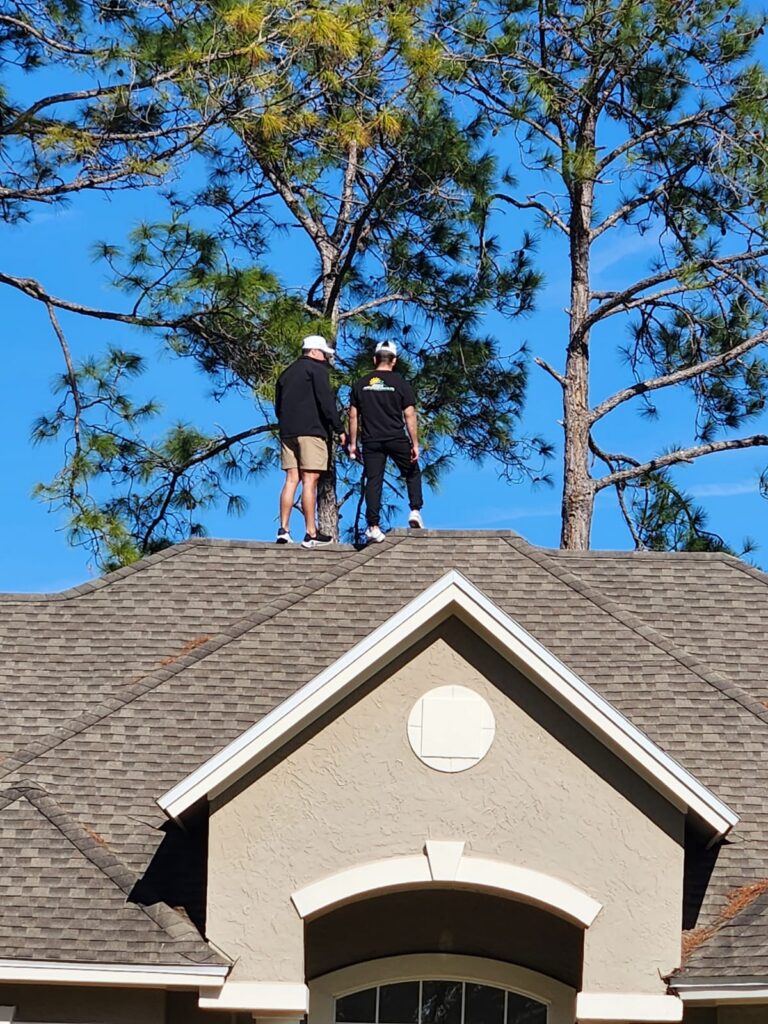
This is the piece that ties back to roofing most directly. A wind mitigation inspection documents what’s already built. It doesn’t change your home’s construction. So the credits you receive are a function of when your roof was replaced and how it was installed.
A roof that was replaced in the last ten years by a licensed contractor following Florida Building Code is likely to score well across the deck attachment, covering, and roof-to-wall categories. A roof from the late 1990s or early 2000s, even if it’s still functional, may have been installed before the stricter post-Andrew codes took effect and will score lower on those same categories.
This is one reason why homeowners who replace their roof sometimes see their insurance premium go down the following year, beyond any age-related adjustment. A new roof installed to current code, documented with a fresh wind mitigation inspection, can unlock credits that weren’t available before.
If you’re in the Orlando area and thinking about whether a roof replacement makes financial sense, the insurance side of the equation is worth factoring in. A new roof from JA Edwards of America combined with an updated wind mitigation inspection can change the math considerably. Our roof replacement service in Orlando is available for free inspection and quote.
What Happens If Your Home Has an Older Roof
If your roof is older and doesn’t qualify for the best wind mitigation ratings, the inspection is still worth having. A lower-rated inspection still captures partial credits, and knowing what your home’s current profile looks like helps you plan.
An older home in Orange County built before 2002 might score well on roof shape but lower on deck attachment and opening protection. You’d still receive credits for the features that do qualify, and you’d have a clear picture of what a future roof replacement would add to your premium savings.
How JA Edwards of America Can Help

Our team has been doing roof replacements across Central Florida since 2004, and we understand how the wind mitigation credit system works on both sides. When we install a roof, we install it to the standards that earn the best possible wind mitigation ratings, using GAF materials with Florida Product Approvals and fastening patterns that meet or exceed code requirements.
After installation, we provide the documentation you need for your inspection, including nail spacing, deck type, and attachment method. That documentation makes the inspector’s job straightforward and helps ensure the credits on your form are as complete as possible.
For homeowners who need an inspection in Orlando before deciding on next steps, we offer a free roof inspection that includes an honest assessment of your current roof’s condition, its approximate remaining lifespan, and whether replacement would likely improve your wind mitigation profile. Call us at (407) 677-7663 or contact us online.
Frequently Asked Questions
What is a wind mitigation inspection in Florida? A wind mitigation inspection is an evaluation of your home’s wind-resistant features conducted by a licensed inspector. The results are recorded on the state-required OIR-B1-1802 form, which your insurance company uses to calculate mandatory discounts on the wind portion of your homeowners insurance premium.
How much can a wind mitigation inspection save me on insurance in Orlando? Savings vary based on your home’s construction and your current carrier. In the Orlando area, homeowners with qualifying roofs and features commonly see annual savings between $300 and $1,000 or more. The only way to know your specific number is to have the inspection completed and submit the form to your insurer.
How long does a wind mitigation inspection take? Most inspections take between 45 minutes and an hour and a half for a typical single-family home in Central Florida. The inspector examines the exterior, checks the attic, and documents everything photographically. You usually receive the completed form within a few business days.
Does a new roof improve my wind mitigation rating in Florida? In most cases, yes. Roofs replaced under current Florida Building Code typically qualify for better ratings on deck attachment, roof covering, and roof-to-wall connection categories than older roofs built before the post-Hurricane Andrew code updates. A new roof combined with a fresh inspection often results in meaningful premium reductions.
How often should I update my wind mitigation inspection? There’s no legal requirement to update it on a fixed schedule, but it’s worth refreshing the inspection if you’ve replaced your roof, added impact windows or doors, or if your current inspection is more than five years old. Older inspections may not reflect improvements that qualify for additional credits.
Who can perform a wind mitigation inspection in Florida? In Florida, wind mitigation inspections must be conducted by a licensed inspector. Licensed building contractors, general contractors, roofing contractors, and professional engineers can also perform these inspections under Florida law. Always verify credentials before scheduling.
What if my home scores poorly on the wind mitigation inspection? A lower score still typically produces some partial credits, even if your home doesn’t qualify for every category. The inspection also gives you a clear picture of what improvements, like a roof replacement or the addition of impact-rated windows, would most improve your wind mitigation profile and insurance savings going forward.
JA Edwards of America serves Orlando and surrounding Orange County communities including Winter Park, Maitland, Apopka, Ocoee, Windermere, and Doctor Phillips. Licensed General Contractor CGC1534283, Certified Roofing Contractor CCC1334804. GAF Master Elite and President’s Club 3-Star certified. BBB A+ rated. Office: 220 Weber St, Orlando FL 32803. Phone: (407) 677-7663.