
Exploring Roof Financing Options
A roof is essential for protecting your home from the elements. It acts as the first line of defense against rain, wind, snow, and the harsh rays of the sun, making it a crucial component of your home’s structure. Ignoring roof damage can lead to more significant problems like leaks, mold, and structural damage. These issues not only compromise the safety and comfort of your home but can also lead to more costly repairs if left unattended.
Therefore, it’s crucial to address any issues promptly, even if funds are tight. A small leak today can turn into a major repair or replacement tomorrow. Investing in timely repairs can save you from more severe structural problems down the line, preserving your home’s value and ensuring a safe living environment for you and your family.
Financing a roof replacement or repair can seem overwhelming, but there are several options to consider. Understanding these options can help you make an informed decision that aligns with your financial situation.
Roofing Loans
One viable option is to apply for a roofing loan. These are personal loans specifically designed for home improvement projects, including roof repairs or replacements. They can cover the cost of roof repairs or replacements. The approval process is typically faster than a mortgage refinance, and you can get the funds you need more quickly.
These loans are usually unsecured, meaning you don’t have to use your home as collateral, which can be a significant advantage.
Pros and Cons of Roofing Loans
Pros:
- Quick access to funds allows for immediate repairs, preventing further damage.
- No need to use your home as collateral, reducing the risk of losing your property.
- Fixed interest rates and predictable monthly payments make budgeting easier.
Cons:
- Higher interest rates compared to secured loans, potentially increasing the overall cost.
- May require a good credit score for approval, limiting options for those with poor credit.
- Some loans may have fees or penalties for early repayment, so it’s essential to read the terms carefully.
Payment Plans with Roofing Contractors
Many residential roofing contractors in your area may offer payment plans. This allows you to break down the cost of the roof repair into more manageable monthly payments. It’s essential to discuss this option with your contractor upfront and ensure you understand the terms. Payment plans can be a great way to avoid high upfront costs, making it easier to budget for necessary repairs.
Advantages of Payment Plans
- Flexible payment schedules can be tailored to fit your financial situation.
- Easier on your budget than paying a lump sum, allowing for better financial planning.
- No need to apply for external financing, simplifying the process and avoiding additional credit checks.
Home Equity Loans or Lines of Credit
If you have significant equity in your home, a home equity loan or line of credit can be a cost-effective way to finance a roof replacement. These loans typically have lower interest rates since they are secured by your home. They can provide a larger sum of money, which can be beneficial for extensive repairs or complete roof replacements.
Considerations for Home Equity Options
- Risk of losing your home if you default, as the loan is secured against your property.
- Longer approval process, which might delay urgent repairs.
- Potential fees and closing costs can add to the overall expense, so it’s important to calculate the total cost before proceeding.
Seeking Assistance and Grants
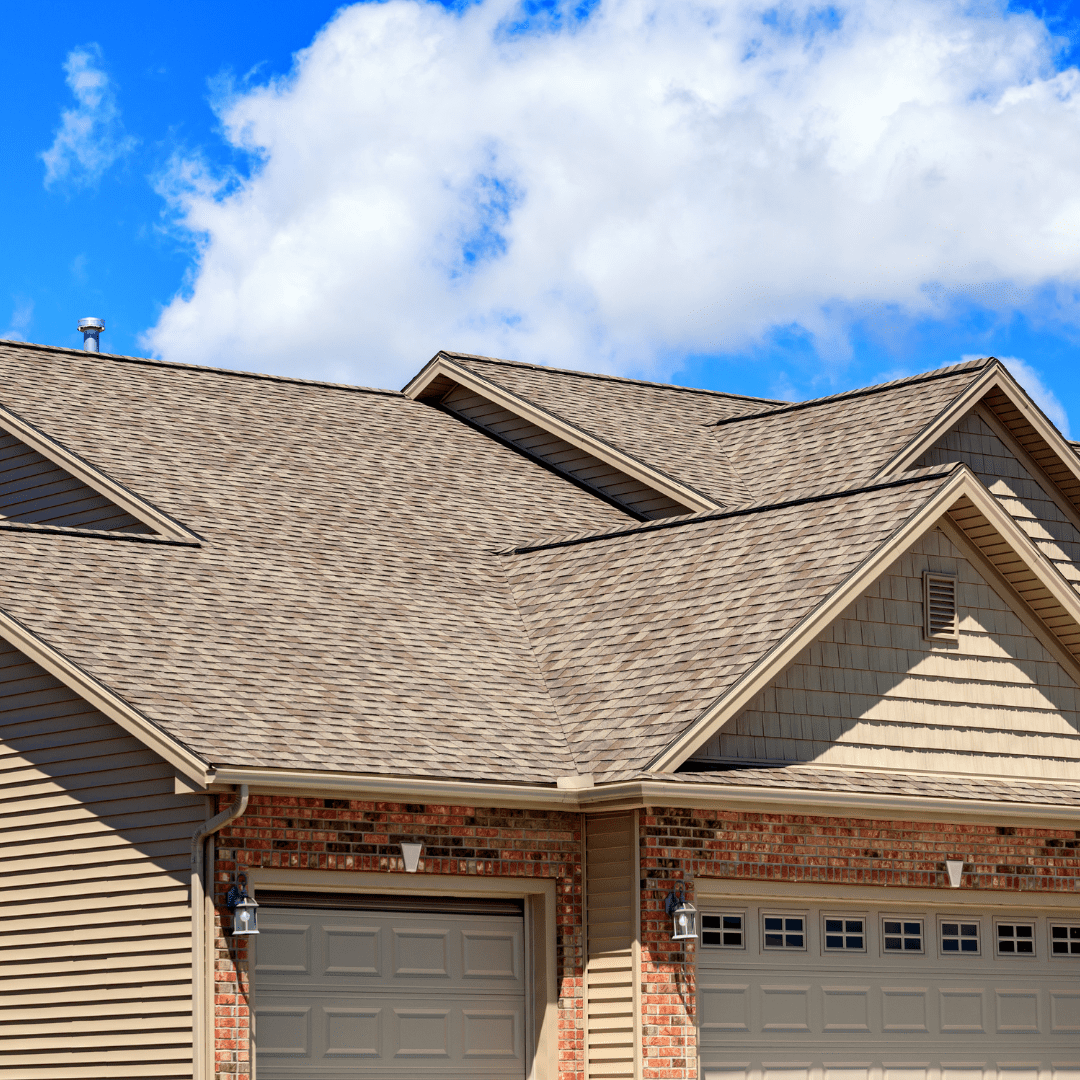
In addition to financing, seeking assistance through grants and programs can be a practical solution for those in need. These options can provide financial relief without the burden of repayment.
Government Grants and Programs
Some government programs offer grants or low-interest loans for home improvements, including roofing. These programs are designed to assist homeowners who might not qualify for traditional loans. Check with local and federal agencies to see if you qualify for any assistance programs designed for homeowners in need. These grants can significantly reduce the financial burden, making necessary repairs more accessible.
Non-Profit Organizations
Certain non-profit organizations provide assistance to homeowners for necessary repairs. These organizations often have specific criteria, such as income limits or location requirements, but they can be a valuable resource for those who qualify. They may offer grants, low-interest loans, or volunteer services to help with the repairs. It’s worth researching local non-profits and community groups that might offer support for your situation.
Preparing for Your Roof Project
Proper preparation is key to ensuring a successful roofing project. By taking the time to plan, you can avoid unexpected issues and ensure the process goes smoothly.
Conduct a Roof Inspection
Before you begin any financing discussions, it’s crucial to have a roof inspection. This will give you a clear understanding of the extent of the repairs needed and help you get accurate estimates from contractors. It can also prevent unexpected costs down the line. An inspection provides a detailed assessment of your roof’s condition, helping you prioritize repairs and budget accordingly.
Gathering Multiple Estimates
It’s wise to get multiple estimates from different roofing contractors. This not only helps you find a competitive price but also gives you a sense of the contractors’ professionalism and reliability. Be sure to choose a contractor who is licensed, insured, and has good reviews. Comparing estimates can also highlight different approaches or solutions, allowing you to make a more informed decision.
Finalizing Your Roofing Payment Plan
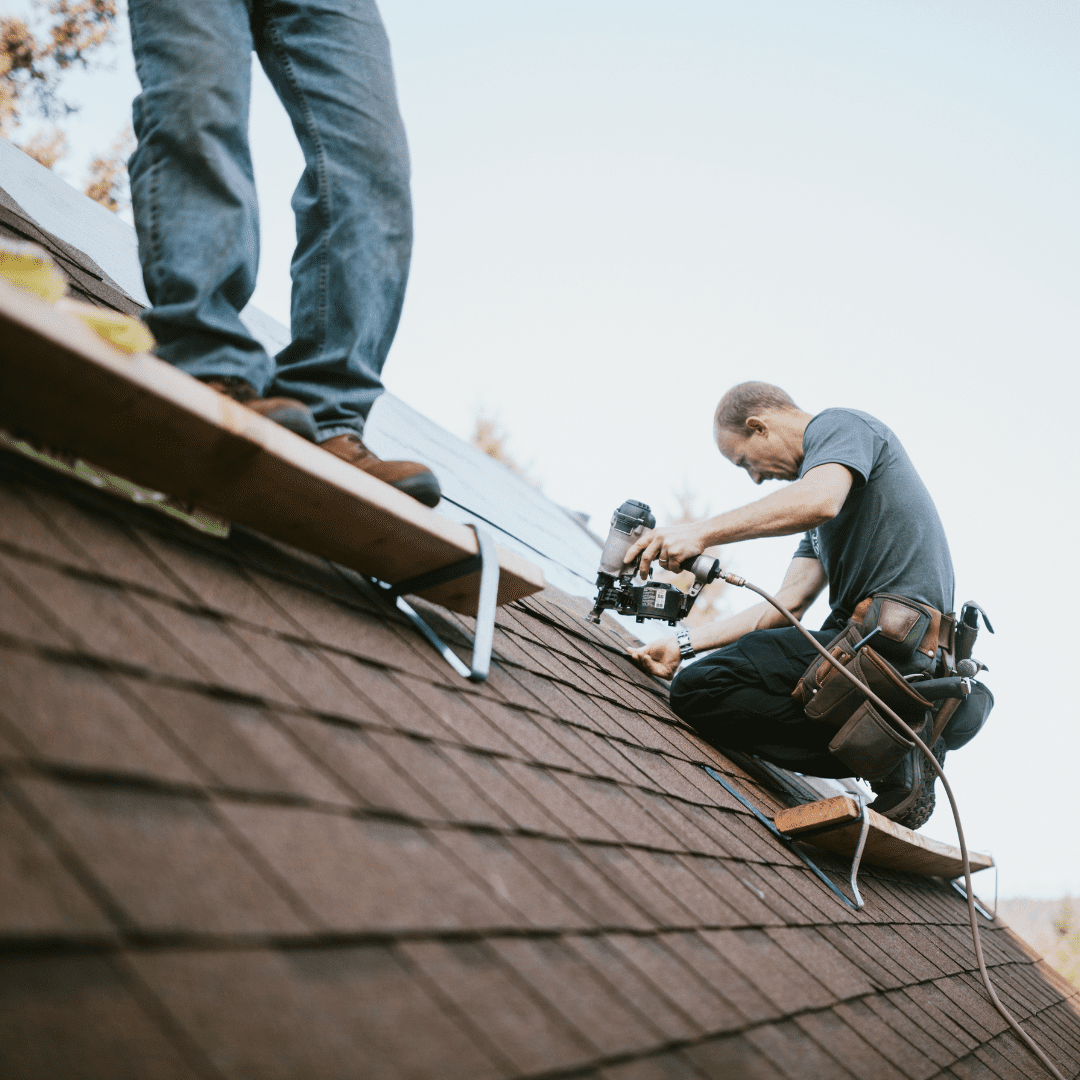
Having a clear payment plan ensures that you can manage the financial aspect of the project without strain.
Setting a Budget
Once you have estimates and understand your financing options, set a realistic budget for your project. This will guide your decisions and help prevent overspending. Consider both the upfront costs and any ongoing payments. A well-planned budget can keep your finances in check and prevent unnecessary debt.
Negotiating Terms
Don’t hesitate to negotiate terms with your chosen contractor or lender. Whether it’s a lower interest rate on a loan or a more flexible payment schedule with your contractor, every bit can help. Being upfront about your budget constraints can lead to more favorable terms, making the project more affordable.
Avoiding Future Roofing Problems
Preventative measures can save you time and money in the long run by keeping your roof in excellent condition.
Regular Maintenance
To avoid future costly repairs, invest in regular roof maintenance. This includes cleaning gutters, checking for damage after storms, and addressing minor issues promptly. Regular maintenance can extend the life of your roof and prevent costly replacements. Scheduled inspections and timely repairs can help identify potential problems before they escalate.
Saving for Future Repairs
Consider setting aside a small amount each month into a home repair fund. Even if it’s just a little, over time, it can help you cover the cost of future roof repairs or other unexpected home expenses. Having a dedicated fund for home repairs can reduce stress and provide peace of mind, knowing you’re prepared for any eventuality.
Conclusion
Dealing with an unaffordable roof repair can be stressful, but by exploring various financing options and seeking assistance, you can manage the costs effectively. Remember, the key is to act promptly to prevent further damage and choose the financing option that best suits your financial situation. With the right plan, you can ensure your home remains safe and secure without overwhelming your finances. Taking proactive measures today can safeguard your home’s future and maintain its value for years.
If you’re searching for residential roofing contractors near me who offer financing support and dependable service, contact our roofing company, JA Edwards of America in Port St. Lucie. Our team is here to help you find the right solution to protect your home without compromising your budget.