The Best Residential Roofing Materials for Orlando Homes: What Actually Holds Up in Florida’s Climate
Choosing a roofing material in Orlando isn’t the same decision you’d make in Atlanta or Charlotte. The combination of UV intensity, humidity that sits year-round, and a hurricane season that runs six months means materials perform very differently here than their spec sheets suggest. Some options that hold up for 30 years in a cooler climate need replacing in 15 here. Others that seem expensive upfront cost less over the long run because they don’t wear out on Florida’s schedule.
This guide covers the materials that actually perform in Central Florida, what the tradeoffs look like, and how to think through the decision before calling anyone.
Why Orlando’s Climate Changes the Calculus
The average high in Orlando sits above 90°F from June through September, and UV index readings regularly hit 11 or above during summer months. That kind of sustained heat exposure causes asphalt to soften and granules to shed faster than manufacturers rate for. Pair that with humidity that rarely drops below 60% and a rainy season that dumps 50+ inches annually, and you’ve got conditions that accelerate aging on every material category.
Then there’s the storm side. A roof in Orlando has to handle not just seasonal rain but high wind events, flying debris, and the occasional direct impact from a named storm. Materials that are “wind rated” need to be installed correctly to actually perform at that rating, which is where the contractor matters as much as the material itself.
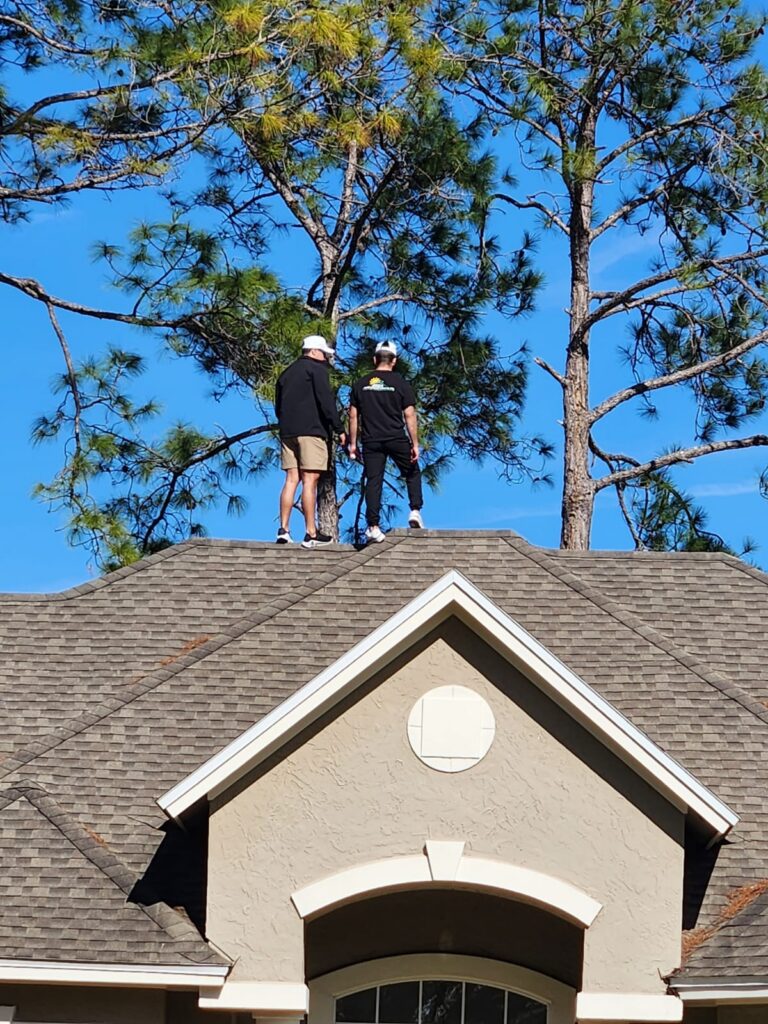
The residential roofing team at JA Edwards of America in Orlando works in this climate exclusively. Every material recommendation comes from seeing how these systems actually age on Central Florida roofs, not just what the product specs say.
Roofing Material Comparison for Orlando Homes
| Material | Avg. Lifespan (FL) | Wind Rating | Heat Performance | Upfront Cost | Best For |
|---|---|---|---|---|---|
| Asphalt Shingles (3-tab) | 12-15 years | Up to 60 mph | Poor | $ | Short-term budget |
| Architectural Shingles | 20-25 years | Up to 130 mph | Moderate | $$ | Most homeowners |
| Metal (Standing Seam) | 40-50 years | Up to 140 mph | Excellent | $$$ | Long-term value |
| Clay/Concrete Tile | 40-50+ years | Up to 150 mph (when fastened) | Excellent | $$$ | Mediterranean/Spanish style homes |
| Flat (TPO/Modified Bitumen) | 15-25 years | Varies | Good with coating | $$ | Low-slope roofs |
Asphalt Shingles
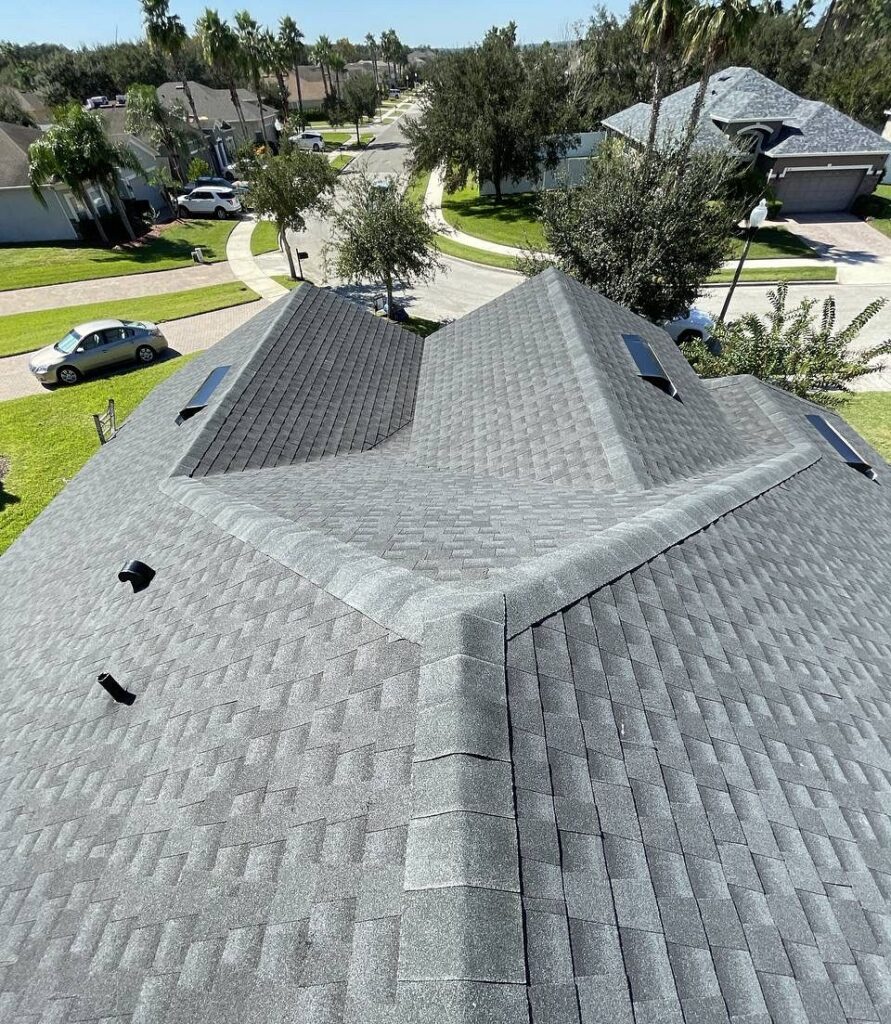
Architectural shingles are still the most common residential choice in Orlando, and for a lot of homes they make sense. They’re available in a wide range of profiles and colors, most contractors know how to install them correctly, and they’re the most accessible option from a cost standpoint.
The caveat is the Florida lifespan. A 30-year shingle in a northern climate is closer to a 20-25 year shingle here, and a cheap 3-tab shingle can start failing in 12-15 years under Central Florida UV. If you’re going with asphalt, look for architectural shingles with a high solar reflectance rating and a wind rating of at least 110 mph. GAF’s Timberline HDZ line, for example, is rated to 130 mph and holds up significantly better in Florida conditions than standard architectural shingles.
For homeowners whose roofs are coming up on the 15-year mark, an inspection in Orlando will tell you whether you’re looking at a few more years or a replacement in the near term.
Metal Roofing
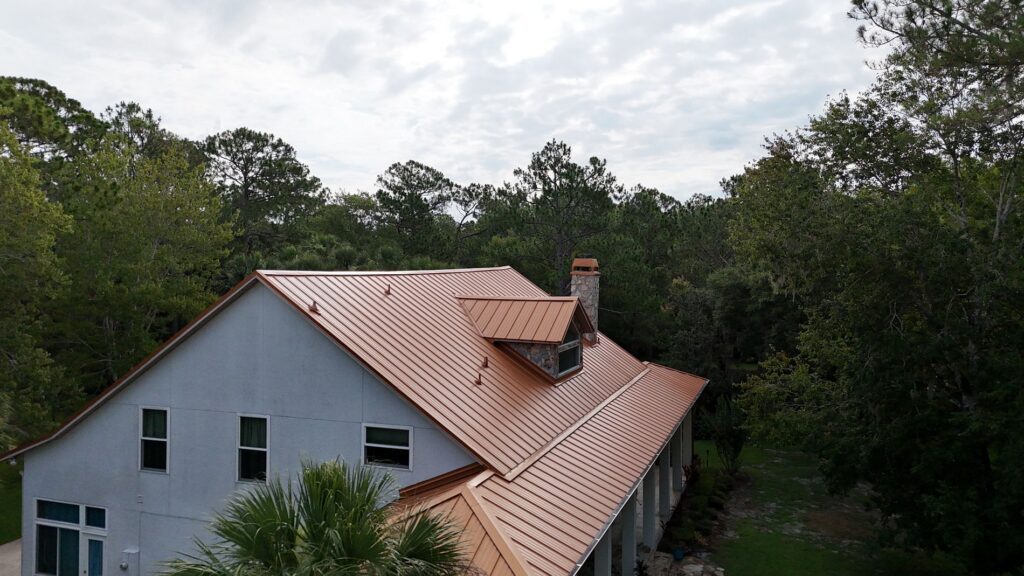
Standing seam metal roofing is the most durable option available for residential homes in Florida, and the total cost of ownership math often works out better than it looks at the purchase price. A properly installed metal roof in Orlando can last 40-50 years with minimal maintenance. That’s potentially one roof for the rest of the time you own the house.
Metal reflects heat rather than absorbing it, which has a real effect on cooling costs during Orlando summers. It’s also inherently resistant to mold, fire, and insect damage, which are meaningful factors in a humid climate. Standing seam panels interlock in a way that handles wind uplift better than exposed-fastener systems.
The upfront cost is higher than asphalt, typically 2-3x depending on the home size and panel profile. Financing through Slice or Improvifi can make that difference more manageable if you’re thinking long-term. See metal roofing options for Orlando homes.
Tile Roofing
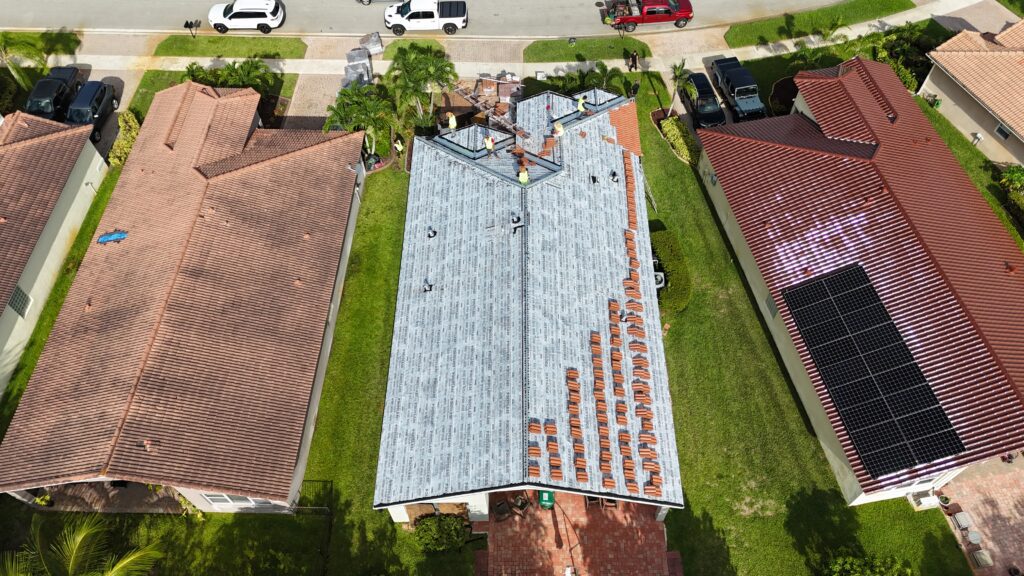
Clay and concrete tile are the default for a reason in Florida. The weight that makes them harder to install is also what makes them resistant to wind, and when they’re properly fastened with foam adhesive or mechanical fasteners, they handle high-wind events better than most other options. Clay tile in particular doesn’t absorb moisture the way other materials do, which matters in Orlando’s humidity.
The main considerations are structural and cost-related. Tile is heavy, and older homes sometimes need a structural assessment before installation to confirm the roof framing can carry the load. Installation is also more labor-intensive than asphalt, which drives the upfront price. That said, a tile roof that lasts 50 years at a higher initial cost often comes out ahead of two or three asphalt replacements over the same period.
Concrete tile is the more affordable version of the two and performs well for most Orlando homes. Clay tile holds up slightly better over decades but carries a higher price point.
Flat Roofing
Flat and low-slope roofs on Orlando homes require a different approach entirely. The material options here are TPO (thermoplastic polyolefin), modified bitumen, and in some cases EPDM rubber. TPO is the most common choice for residential flat roofs in Florida because of its heat-reflective properties and solid track record in high-humidity environments.
Flat roofs require more attention to drainage and regular inspection than pitched roofs do. Standing water is the primary enemy, and even a properly installed flat roof needs to be checked more frequently to catch any pooling or membrane issues before they become leaks.
How to Think Through the Decision
The right material depends on three things: the current condition and structure of your roof, how long you plan to own the home, and your budget. A 15-year-old asphalt roof on a house you’re planning to sell in three years is a different situation than the same roof on a house you plan to be in for the next 25 years.
Before committing to a material, a free roof inspection in Orlando gives you a clear starting point. It tells you what the current system’s condition is, whether replacement is immediate or can wait, and whether the structure of the roof can support heavier material options like tile. There’s no obligation and no sales pressure on the inspection call.
For homeowners weighing repair versus replacement, the roof replacement guide for Orlando covers how to think through that decision based on roof age, material, and damage scope.
Get a Free Inspection and Material Recommendation
JA Edwards of America’s Orlando office is at 220 Weber St, Orlando FL 32803. Call (407) 677-7663 or schedule online. A GAF Master Elite contractor will assess your current roof, walk you through material options that make sense for your home and budget, and give you a clear picture before any decision is made.
Schedule Your Free Roof Inspection in Orlando
FAQs: Residential Roofing Materials in Orlando, FL
What is the best roofing material for homes in Orlando, FL? It depends on your budget, home style, and how long you plan to own the property. For long-term value, metal roofing and clay or concrete tile consistently outperform other options in Florida’s climate. For homeowners who want a solid mid-range option, architectural shingles with a high wind rating and solar reflectance are the most practical choice. A professional inspection gives you a clearer answer based on your specific roof structure.
How long do roofs last in Orlando compared to other states? Shorter, as a general rule. Florida’s UV intensity, humidity, and hurricane season accelerate wear on most materials. A 30-year architectural shingle is closer to 20-25 years here. Tile and metal hold closer to their rated lifespans because they’re less vulnerable to heat and moisture degradation.
Does roof material affect my homeowners insurance in Florida? Yes. Impact-resistant materials and high-wind-rated roofing systems often qualify for premium discounts through Florida insurers. A wind mitigation inspection after installation documents the specific features that qualify, and some homeowners see meaningful savings on their annual premium as a result.
What roofing material is best for Orlando’s heat? Metal roofing reflects the most heat and has the biggest effect on cooling costs. Clay tile is also excellent for heat performance because it creates an air gap between the tile and the roof deck. Architectural shingles with a high solar reflectance index (SRI) are the best heat-performing option in the asphalt category.
How do I know if my Orlando roof needs replacing or just repairs? Age and the extent of damage are the main factors. A roof under 15 years old with isolated damage is usually a repair candidate. A roof over 20 years with widespread granule loss, soft decking, or recurring leaks is more likely a replacement. A professional inspection removes the guesswork and gives you a specific recommendation based on what’s actually there.
Can I put tile roofing on my Orlando home? Most Orlando homes can support tile, but older homes sometimes need a structural assessment first. Tile is significantly heavier than asphalt, and the roof framing needs to be confirmed adequate before installation. A contractor experienced with tile installation in Central Florida will assess this during the inspection.
What is a wind mitigation inspection and do I need one in Orlando? A wind mitigation inspection documents the wind-resistant features of your roof, including the material, fastening method, and roof shape. In Florida, this documentation can lower your homeowner’s insurance premium. It’s worth scheduling after any roof replacement and is something JA Edwards of America coordinates as part of the post-installation process.