
What Is a Gable Roof? How It Works, Pros, and When It Makes Sense
If you look at homes across the United States, chances are many of them share the same roof shape — even if you’ve never noticed it before. That shape is called a gable roof, and it’s one of the most common roof designs used in residential construction.
Homeowners often ask this question when researching roofing options or reviewing an inspection report:
What is a gable roof, and why is it so common?
In this guide, we’ll explain what a gable roof is, how it works, why builders use it so often, and when it’s a good choice — especially for homes in places like Florida.

What is a gable roof?
A gable roof is a roof design with two sloping sides that meet at a central ridge, creating a triangular shape on each end of the house. Those triangle-shaped ends are called gables, which is where the roof gets its name.
From the side, a gable roof looks like an upside-down “V”. This simple shape allows rainwater to run off easily and gives the roof a clean, classic appearance that works with many home styles.
Because the design is straightforward and efficient, gable roofs have been used in home construction for generations.
How does a gable roof work?
The design of a gable roof is simple, but effective.
The two sloping sides direct water, debris, and snow away from the roof surface. This helps reduce moisture buildup and limits how long water sits on the roof. Inside the home, the shape often creates attic space that allows for ventilation, which plays an important role in roof health and energy efficiency.
In practice, this means gable roofs tend to be easier to inspect, maintain, and repair compared to more complex roof designs.

Why are gable roofs so common in residential homes?
Gable roofs are popular because they strike a balance between performance, cost, and simplicity.
Builders often choose gable roofs because they:
-
Are easier and faster to build
-
Use fewer materials than complex roof designs
-
Work well with many types of roofing shingles
-
Allow for good attic ventilation
From a homeowner’s perspective, this usually means lower construction costs and fewer long-term maintenance surprises.
Are gable roofs good for Florida homes?
This is an important question, especially in storm-prone areas.
Gable roofs can work well in Florida, but they must be properly designed and built. The sloped shape helps with rain runoff, which is a big advantage during heavy storms. However, gable roofs can be more vulnerable to high winds if they aren’t reinforced correctly.
That’s why proper installation, bracing, and material choice matter so much. When designed and installed correctly, gable roofs can perform very well as part of a strong residential roofing system.

Gable roof vs other roof types
Homeowners often compare gable roofs to other designs when replacing a roof or building a home.
Compared to a hip roof, which slopes on all four sides, a gable roof is simpler and usually less expensive. Hip roofs tend to perform better in high-wind conditions, but they require more materials and labor.
In many cases, the right choice depends on budget, climate, and structural design. We’ll cover hip roofs in detail in the next post to help homeowners understand the differences clearly.
How does a gable roof affect roof replacement?
When it comes to roof replacement, gable roofs are generally easier to work on than complex designs. The simple slopes make material measurements more straightforward and reduce installation time.
That simplicity can sometimes translate into lower labor costs and fewer surprises during a replacement project.
That said, the condition of the roof structure, decking, and ventilation still plays a major role in final cost and scope.

What problems are common with gable roofs?
Like any roof design, gable roofs can develop problems over time.
Some issues we commonly see include:
-
Wind damage at the gable ends
-
Improper bracing in older homes
-
Ventilation issues in the attic
Most of these problems are preventable or manageable when caught early, which is why regular inspections matter.
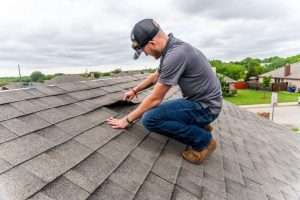
A professional roof inspection helps identify small issues before they become expensive repairs.
Why experience matters with gable roofs
Even though gable roofs are common, they still require proper design and installation to perform well long term.
At JA Edwards of America, we’ve inspected and worked on many gable roof systems across Florida. We’ve seen how small design or installation details — especially related to wind resistance and ventilation — can make a big difference over time.
That experience helps us guide homeowners toward solutions that protect their homes, not just meet minimum standards.
FAQ: What Is a Gable Roof?
What is a gable roof?
A gable roof is a roof design with two sloping sides that meet at a ridge, forming a triangular shape at each end of the house.
Are gable roofs good for high-wind areas?
They can be, but proper design and reinforcement are essential in high-wind regions.
Is a gable roof cheaper than other roof types?
Often yes. Gable roofs are simpler to build and usually require fewer materials.
Can a gable roof have attic space?
Yes. Gable roofs commonly include attic space, which can help with ventilation.
Are gable roofs common in residential homes?
Yes. Gable roofs are one of the most common roof designs used in residential construction.
Final thoughts
So, what is a gable roof?
It’s a simple, effective roof design that has stood the test of time. Gable roofs are popular because they’re practical, cost-effective, and adaptable to many home styles.
When properly designed, installed, and maintained, a gable roof can provide reliable protection for decades. If you’re unsure about your roof type or how it’s performing, a professional inspection is always the smartest place to start.