
What Is TPO Roofing? Pros, Cons, and Where It’s Used
If you’ve been researching roofing options, especially for flat or low-slope roofs, you may have seen the term TPO roofing. Many property owners ask:
What is TPO roofing, and is it a good option?
This guide explains TPO roofing in a simple and easy way, without technical language. By the end, you’ll understand what TPO is, where it’s used, how long it lasts, and whether it might be right for your building.
What Does TPO Stand For in Roofing?
TPO stands for Thermoplastic Polyolefin.
That sounds complicated, but it’s actually simple.
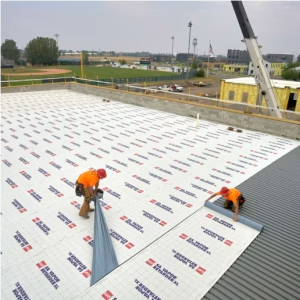
TPO roofing is a single-ply roofing membrane, usually white, that comes in large rolls and is installed on flat or low-slope roofs. It’s designed to protect buildings from heat, sun, and water.
TPO is most commonly used on:
-
Commercial buildings
-
Warehouses
-
Apartment buildings
-
Flat residential roofs
What Is TPO Roofing Made Of?
TPO roofing is made from a blend of materials that create a strong, flexible sheet.
Most TPO membranes include:
-
Rubber compounds
-
Plastic polymers
-
Reinforcing layers
These materials are heat-welded together during installation, creating a watertight seal that helps prevent leaks.
How Is TPO Roofing Installed?
TPO roofing is installed in large sheets, which helps reduce seams and weak points.
Common installation methods include:
-
Mechanically fastened
-
Fully adhered with adhesive
-
Heat-welded seams
The seams are fused together using hot air, creating a strong bond that resists water penetration.
Because installation quality matters so much, TPO roofing should always be installed by experienced professionals.
Why Is TPO Roofing So Popular?
TPO is classified as a thermoplastic membrane and is widely used on flat roofs due to its durability and energy efficiency, especially in commercial applications. According to industry standards for thermoplastic roofing systems, proper installation plays a key role in long-term performance.
Here’s why.
Energy Efficiency
TPO roofs are usually white or light-colored, which helps reflect sunlight and reduce heat buildup.
Durability
TPO is designed to handle sun exposure, heat, and weather without cracking easily.
Cost-Effective
Compared to some other commercial roofing systems, TPO offers strong performance at a reasonable cost.
Low Maintenance
When installed correctly, TPO roofs require minimal maintenance.

How Long Does TPO Roofing Last?
On average, TPO roofing lasts 20 to 30 years, depending on:
-
Installation quality
-
Climate
-
Maintenance
-
Foot traffic
In hot climates like Florida, proper installation and regular inspections are especially important.
You can learn more about roof lifespan here:
How Long Does a Roof Last?
Is TPO Roofing Good for Florida?
Yes — TPO roofing can be a great option for Florida buildings.
Florida roofs deal with:
-
Strong sun
-
Heavy rain
-
Humidity
TPO’s reflective surface helps reduce heat, while its welded seams help protect against leaks during heavy rain.
That’s why TPO is commonly recommended for commercial roofing projects across Florida
TPO Roofing vs Other Flat Roof Options
Property owners often compare TPO with other flat roofing systems.
TPO vs EPDM
-
TPO is usually white and reflective
-
EPDM is typically black
-
TPO reflects more heat
TPO vs Modified Bitumen
-
TPO is lighter
-
Faster installation
-
Fewer seams
Each option has pros and cons, but TPO is often chosen for its balance of performance and energy efficiency.
What Are the Disadvantages of TPO Roofing?
No roofing system is perfect.
Some potential drawbacks include:
-
Quality varies by manufacturer
-
Poor installation can lead to issues
-
Not ideal for steep-slope roofs
This is why choosing the right contractor matters just as much as choosing the material.
Why Professional Installation Matters for TPO Roofing
TPO roofing is not a DIY project.
Improper installation can cause:
-
Seam failures
-
Leaks
-
Shortened lifespan
That’s why working with experienced commercial roofers is essential
TPO Roofing and Roof Replacement
TPO roofing is commonly used during full roof replacements on flat or low-slope buildings.
Before replacing a roof, a professional inspection helps determine if replacement is necessary or if repairs are enough.

Why Choose JA Edwards of America for TPO Roofing?
At JA Edwards of America, we’ve worked on commercial roofing projects across Florida and understand how local weather impacts flat roofs.
Our team focuses on:
-
Proper installation
-
Quality materials
-
Long-term performance
We help property owners understand their options clearly, so they can choose a roofing system that fits their building and budget.
FAQ: What Is TPO Roofing?
What is TPO roofing used for?
TPO roofing is mainly used on flat or low-slope commercial and residential roofs.
Is TPO roofing waterproof?
Yes. When installed correctly, TPO roofing provides strong waterproof protection.
Is TPO better than EPDM?
TPO reflects more heat, while EPDM absorbs heat. The better option depends on the building and climate.
Can TPO roofing be repaired?
Yes. Small issues can often be repaired if caught early.
Does TPO roofing need maintenance?
Minimal maintenance is needed, but regular inspections are recommended.
Final Thoughts
So, what is TPO roofing?
It’s a durable, energy-efficient roofing system designed for flat and low-slope roofs, especially on commercial buildings.
When installed by professionals, TPO roofing can provide long-lasting protection and help reduce energy costs. A proper inspection is always the best place to start before making a decision.