
How Long Does a Roof Last in Florida? 2026 Homeowner Guide
In Florida, a typical asphalt shingle roof lasts 15 to 25 years, a metal roof lasts 40 to 70 years, and a tile roof can last 50 or more years. Florida's intense UV, high humidity, and hurricane season all cut into those numbers compared to national averages. Regular inspections and maintenance are what separate a roof that lasts 15 years from one that goes 25.
Florida homeowners from Orlando to Tampa ask this question constantly: how long should my roof really last? National averages give a baseline, but they are built on data from places with mild winters and moderate summers. Florida's combination of intense UV radiation, extreme humidity, torrential downpours, and the constant threat of hurricanes creates a different environment entirely.
Roof lifespan by material
| Roofing Material | National Average | Realistic Florida Lifespan | Key Florida Factors |
|---|---|---|---|
| Asphalt Shingles | 20 to 30 years | 15 to 25 years | Intense UV degradation, algae growth, hurricane wind damage |
| Metal Roofs | 40 to 70 years | 40 to 70 years | Excellent durability, but requires proper coating to prevent salt-air corrosion in coastal areas |
| Clay / Concrete Tile | 50 to 100+ years | 50+ years | Extremely durable and wind-resistant, but individual tiles can crack from impacts |
| Flat Roofs (TPO / EPDM) | 15 to 30 years | 10 to 20 years | Seam failure from heat expansion and contraction, ponding water issues |
Asphalt shingles: 15 to 25 years in Florida

Asphalt shingles are the most common roofing material in Florida due to their affordability and ease of installation. They are also the most vulnerable to the climate here.
"The intense UV radiation in Florida is the number one enemy of an asphalt shingle roof. It bakes the oils out of the shingles, making them brittle and prone to cracking and granule loss." — Jordan Edwards, CEO of JA Edwards of America
What shortens their lifespan in Florida:
- UV exposure. Constant sun breaks down the asphalt, causing shingles to lose their protective granules and become brittle faster than in northern climates.
- Humidity and algae. High humidity promotes the growth of blue-green algae (Gloeocapsa magma), which causes dark streaks and traps moisture against the shingle surface.
- Hurricane winds. Standard shingles are often rated for winds up to 90 mph. A Category 2 or 3 hurricane easily exceeds that, leading to widespread shingle loss.
Not sure how much life your roof has left?
A free 30-minute inspection tells you exactly where your roof stands today, what needs attention now, and when replacement makes more sense than another repair. Photo report included.
Metal roofs: 40 to 70 years

Metal roofing has become increasingly popular in Florida for one simple reason: it lasts. Standing seam metal can withstand hurricane-force winds far better than shingles and is highly resistant to fire and rot. Its Florida lifespan matches the national average because the material itself holds up well to heat, though coastal installations need extra attention.
What shortens their lifespan in Florida:
- Salt spray. In coastal areas like Port St. Lucie or Jacksonville, salt in the air can corrode the metal finish if not properly treated and maintained.
- Improper installation. Metal roofing requires specialized techniques. Improperly fastened panels or flashing can lead to leaks and wind uplift well before the material itself would fail.
- Hail and impact. While durable, metal can be dented by heavy hail or falling tree limbs, which can compromise coatings and accelerate corrosion at impact points.
Tile roofs: 50+ years
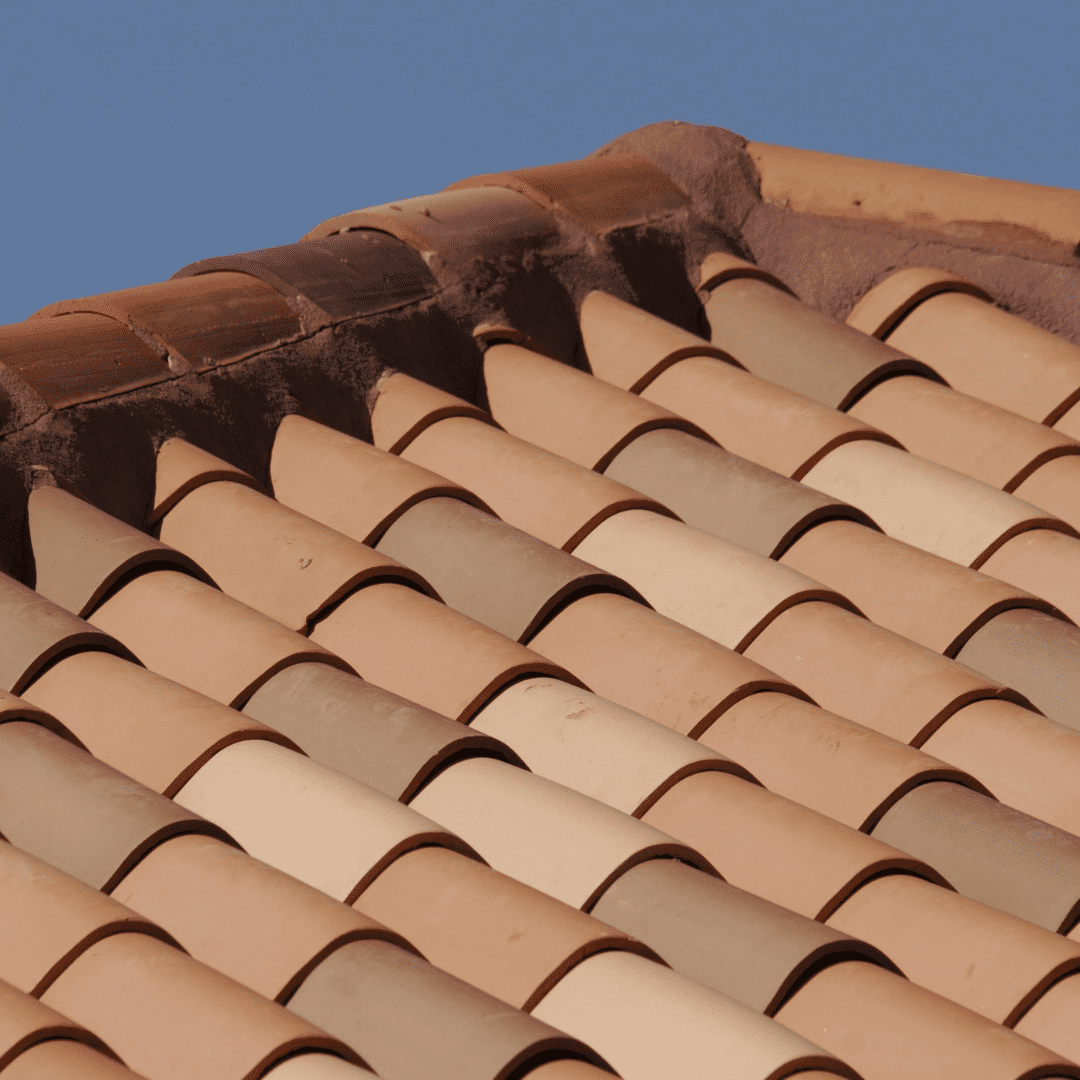
Clay and concrete tile roofs are a hallmark of Florida architecture. They offer exceptional longevity and wind resistance, often lasting the lifetime of the home itself. The important nuance is that the tile and the underlayment beneath it are two different systems with two different lifespans.
What shortens their lifespan in Florida:
- Impact damage. Individual tiles can crack if struck by a falling coconut, large tree branch, or heavy hail. Broken tiles need to be replaced promptly before water reaches the underlayment.
- Underlayment failure. The tiles themselves are waterproof, but the underlayment beneath them is what keeps your home dry. That felt or synthetic layer can degrade after 20 to 30 years and require replacement even when the tiles are still in perfect condition.
- Walking on the roof. Improperly walking on a tile roof cracks tiles. Any work on the roof requires someone trained to distribute weight correctly across the surface.
Flat roofs: 10 to 20 years in Florida
Flat roofs are common on commercial buildings and a number of Florida homes, particularly in South Florida. Florida's heat makes them more demanding than in other climates: the constant thermal expansion and contraction of the membrane stresses seams over time, and any standing water accelerates that process. They require proper drainage, regular inspections, and ongoing maintenance to reach the upper end of their lifespan.
5 factors that can cut your roof's lifespan in half

- Poor attic ventilation. An improperly ventilated attic traps heat and moisture, essentially cooking your shingles from the inside out and accelerating their decay. In Florida heat this effect is amplified significantly compared to cooler climates.
- Overhanging trees. Limbs scrape against the roof and wear away granules. Shade encourages algae growth. During a storm, a falling branch can cause catastrophic damage. Keep trees trimmed back from the roofline.
- Improper installation. Cutting corners during installation is the fastest path to premature failure. Wrong nail count, improper flashing, missing drip edge that meets Florida code. These mistakes compound over years.
- Delayed repairs. A small unrepaired leak leads to wood rot, mold, and structural damage. What costs a few hundred dollars to fix today becomes a major expense when ignored for a season.
- Pressure washing. Never pressure wash an asphalt shingle roof. It strips the protective granules, voids the warranty, and cuts years off the roof's life. Soft washing or professional cleaning is the correct approach.
Annual inspection before hurricane season opens.
June 1st is the start of hurricane season. A free inspection now tells you exactly what your roof can handle and what needs to be addressed before the first storm of the year.
Warning signs your roof is near the end
None of these on their own is necessarily a crisis. More than one at the same time, or any of them on a roof that is already close to the end of its expected lifespan, warrants a professional inspection:
- Curled, cracked, or missing shingles
- Water stains on ceilings or walls
- Sagging areas on the roof deck
- Mold or persistent algae growth that keeps returning
- Repairs becoming more frequent and more expensive
- Granules accumulating heavily in gutters and downspouts
How to maximize your roof's lifespan in Florida
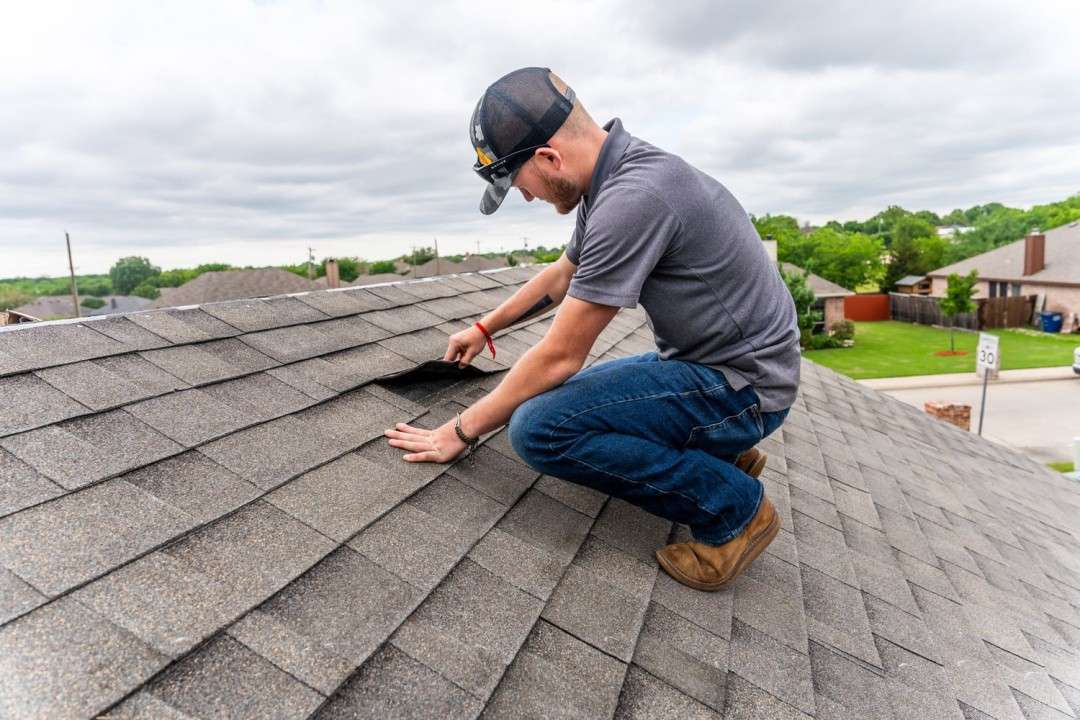
- Schedule annual inspections. A professional roofer spots minor issues before they become major problems. For a Florida home, an inspection before hurricane season opens on June 1st is the most valuable maintenance investment you can make.
- Keep it clean. Gently remove debris like leaves and pine needles from your roof and gutters. This prevents water from backing up, reduces moisture retention, and slows algae growth.
- Act on repairs immediately. If you notice a water spot on your ceiling or a missing shingle, call a licensed roofing contractor right away. The cost of waiting is almost always higher than the cost of fixing it now.
When to start planning for replacement
Never wait for a major leak to force the decision. You have more options, more time to get multiple bids, and more ability to schedule on your terms when you plan ahead. Start thinking about replacement when:
- Your roof is approaching the end of its expected lifespan for its material
- Repairs are becoming more frequent and the costs are adding up
- Your insurance coverage is becoming limited due to roof age
- You are preparing to sell the home and want to maximize its value
Frequently asked questions
Asphalt shingles typically last 15 to 25 years in Florida, compared to 20 to 30 nationally. Metal roofs hold their 40 to 70 year range even in Florida's climate. Tile can last 50 years or more, though the underlayment beneath it may need replacement around year 20 to 30. Flat roofs run 10 to 20 years.
Metal roofing and clay or concrete tile both offer the longest lifespans in Florida. Metal handles heat, wind, and most weather exceptionally well and holds its lifespan even in Florida conditions. Tile lasts as long or longer on the tiles themselves, though the underlayment system underneath requires attention around the 20 to 30 year mark.
Yes. The difference between a roof that lasts 15 years and one that goes 25 years on the same material is usually installation quality, attic ventilation, and how consistently the homeowner maintained it and addressed minor repairs. Quality materials installed correctly and inspected annually routinely exceed average lifespans.
At minimum once a year, and after any significant storm. For Florida homes, an inspection before June 1st when hurricane season opens is the most strategically important one. It tells you exactly what your roof can handle before storm season begins.
Coverage on older roofs in Florida varies widely by carrier and policy. Many Florida insurers restrict coverage or apply depreciation schedules to roofs over 15 years old. Some carriers will not insure a home with a roof beyond a certain age at all. A new roof often restores full coverage eligibility and can lower your premium.
For many Florida homeowners, yes. Metal roofs handle heat, wind, and rain better than shingles, last two to three times as long, and often qualify for insurance discounts. The higher upfront cost is typically offset by the lifespan difference and lower long-term maintenance expenses.
If a roof is within five years of the end of its expected lifespan, has widespread damage rather than isolated issues, or has required multiple repairs in a short period, replacement is usually the better long-term investment. A professional inspection gives you a clear picture of which option makes financial sense for your specific situation.
Find out how much life your roof has left
A free inspection tells you exactly where your roof stands today, what needs attention before hurricane season, and whether repair or replacement makes more sense. Photo report included, no obligation.