
If your roof has isolated damage and is under 15 years old, repair is usually the right call. If more than 25 to 30% of the surface is affected, the roof is over 18 years old, or you have had recurring leaks in multiple areas, replacement is almost always more cost-effective in the long run. The honest answer depends on what is actually on your roof — not a generic checklist.
This is the question we get asked more than any other. And the honest answer is that most contractors give you a framework that leads to the same answer every time. We are going to give you the real decision factors, including one that most Florida homeowners do not know about until it is too late.
We are JA Edwards of America. We have been replacing and repairing roofs across Florida since 2004, across four offices in Orlando, Tampa, Jacksonville, and Port St. Lucie. We have seen every version of this decision play out. Here is how we actually think about it.
The Factor Most Florida Homeowners Do Not Know About: The 25% Rule
Before anything else, you need to understand Florida law on this.
If more than 25% of your roof is repaired or replaced within a 12-month period, Florida Building Code requires the entire roof to be brought up to current code standards. That means enhanced fastening patterns, upgraded underlayment, improved ventilation, and full permitting, even if you only intended a partial fix.
Why this matters in practice: we have seen homeowners pay for two separate repair cycles over 18 months, only to be told on the third call that a full replacement is now mandatory. They spent $3,500 in repairs before a $15,000 replacement. Had they replaced after the first major repair, they would have spent less and gotten a fully warranted new roof.
Before deciding on repair, ask your contractor to estimate what percentage of the roof is affected. If the answer is close to 25%, run the numbers on replacement first.
When Repair Is the Right Call
Repair makes sense when all of the following are true:
The damage is isolated. A section of missing shingles after a storm, a failed pipe boot, a flashing failure around a chimney or skylight. The problem has a clear boundary and the rest of the roof is in solid condition.
When the roof is under 15 years old. Shingle roofs in Florida age faster than in northern climates because of UV exposure, hurricane seasons, and humidity. A roof under 15 is usually worth repairing. A roof over 18 with widespread granule loss probably is not.
The decking is intact. When we tear off shingles to repair a section, we look at the plywood underneath. If the decking is solid, repair holds. If the decking has moisture damage, you are patching over a structural problem.
The repair cost is less than 30% of full replacement cost. If a repair quote is $4,000 and a replacement quote is $14,000, repair probably makes sense. If the repair is $5,500 and the replacement is $15,000, you are paying 37% of replacement cost for a partial fix on an aging roof. The math stops working in your favor.
One more factor: if you plan to sell the home within 1 to 3 years, a new roof adds more value than a repaired one. Buyers and inspectors know the difference.
When Replacement Is the Right Call
Multiple leak sources. One leak is a problem. Two or three leaks in different areas of the roof is a pattern. That pattern means the system is failing, not just a section.
Widespread granule loss. Granules protect the asphalt mat from UV degradation. When you see bare patches across a large portion of the roof, or heavy granule deposits in the gutters, the material is near the end of its useful life.
Sagging or soft decking in multiple spots. This indicates moisture has been penetrating for long enough to damage the structural layer. Replacing shingles over rotted decking is like painting over mold.
The roof is 18 years or older. Florida’s climate reduces the lifespan of asphalt shingles compared to manufacturer claims. A 25-year shingle in Ohio may actually last 25 years. In Central or South Florida, 18 to 20 years is a more realistic ceiling before systemic failures begin.
The 25% rule is triggered. As covered above, if the damage scope approaches or exceeds 25% of the roof area, replacement is often mandatory and almost always smarter financially.
Your energy bills are climbing. Old roofing systems lose their reflectivity and insulation properties. If your HVAC is working harder than it used to, especially in summer, the roof may be part of the reason.
The Real Cost Comparison
Here is how the numbers actually play out for a typical Florida home:
| Scenario | Short-Term Cost | 5-Year Reality |
|---|---|---|
| Repair isolated damage, roof under 12 years old | $400 to $1,500 | Usually works. One repair, done. |
| Repair on a 16-year-old roof with multiple issues | $1,800 to $3,500 | High chance of follow-up repairs within 2 years |
| Two repair cycles, then mandatory replacement | $3,000 to $6,000 in repairs + full replacement | Most expensive outcome |
| Full replacement on a 17 to 20-year-old roof | $11,000 to $22,000 depending on city and material | New warranty, no follow-up costs for years |
The most expensive outcome is almost always the middle path: repairing an aging roof repeatedly instead of replacing it once.
What a Roof Inspection Actually Tells You
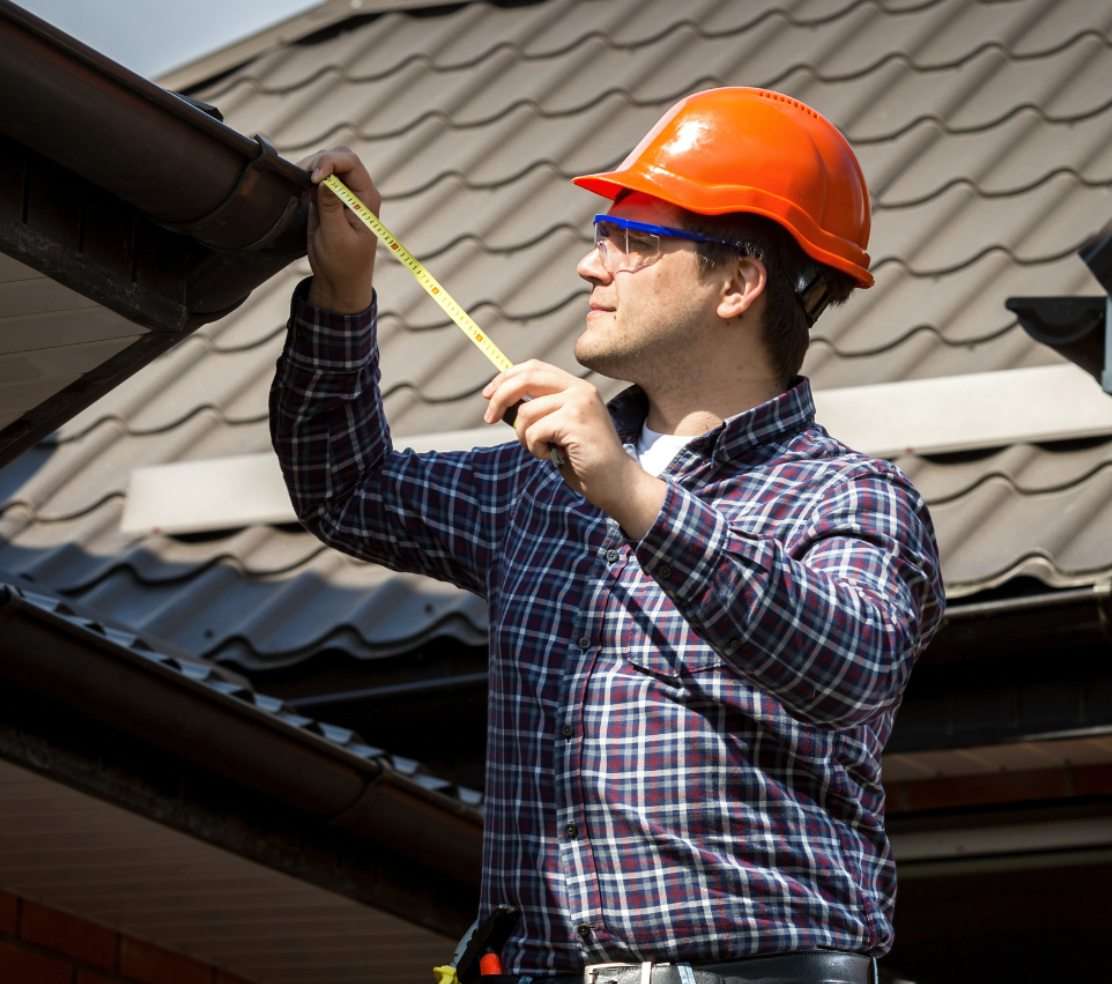
The only way to make this decision correctly is to have someone physically on the roof. An aerial estimate or a visual check from the driveway misses decking damage, failed underlayment, and moisture infiltration that is invisible until it is a much bigger problem.
A proper inspection includes:
- Shingle condition across the entire surface, not just the visible problem area
- Flashing at all penetrations, chimneys, skylights, and wall junctions
- Decking integrity, especially around valleys and low-slope sections
- Attic inspection for moisture, ventilation issues, and signs of past leaks
- Gutter condition and drainage
We offer free roof inspections across all four of our Florida markets. Our inspectors document everything with photos and give you a written recommendation before leaving. If repair is the right call, we tell you. If replacement makes more financial sense, we explain exactly why with numbers.
How This Decision Plays Out Differently by Florida Market
Roof decisions are not the same across the state. A few things that change by location:
Orlando and Central Florida: Most homes have shingle roofs. The 25% rule comes up frequently after hurricane season. Older homes in neighborhoods like College Park and Conway often have decking issues hidden under otherwise repairable surfaces.
Tampa and Hillsborough County: Salt air from Tampa Bay accelerates corrosion on all metal components. Flashing and drip edge fail faster here. A repair that looks straightforward can involve more metal work than expected.
Jacksonville and Northeast Florida: Nor’easters create wind and moisture damage patterns different from hurricane damage. Tile roofs in coastal communities like Ponte Vedra face unique repair challenges because matching tile is increasingly difficult on older systems.
Port St. Lucie and the Treasure Coast: This market sees some of the highest storm claim volumes in Florida. Other local competitors push fast repairs, but many PSL homeowners would save money replacing a 16-year-old shingle roof instead of patching it before another hurricane season.
Get an Honest Assessment for Your Specific Roof

There is no universal answer to repair vs. replace. There is only the answer that is right for your roof, your budget, and your situation.
Call the office closest to you for a free inspection:
- Orlando: (407) 677-7663
- Tampa: (727) 953-3181
- Jacksonville: (904) 367-2913
- Port St. Lucie: (772) 200-0545
Frequently Asked Questions
Should I repair or replace my roof in Florida? If the damage is isolated, the roof is under 15 years old, and the decking is intact, repair is usually right. If the roof is over 18 years old, has multiple leak sources, or the damage exceeds 25% of the surface area, replacement is almost always more cost-effective long term.
What is Florida’s 25% rule for roof repairs? Florida Building Code requires that if more than 25% of a roof is repaired or replaced within a 12-month period, the entire roof must be brought up to current code. This can turn an intended repair into a mandatory full replacement.
How long does a roof last in Florida? Asphalt shingles last 18 to 25 years in Florida’s climate, shorter than the manufacturer’s national lifespan estimate because of UV intensity, humidity, and hurricane exposure. Metal and tile systems last 40 to 70 years.
Is it worth repairing a 15-year-old roof in Florida? It depends on the scope of damage. A single isolated failure on a 15-year-old roof is worth repairing. Widespread granule loss, multiple leaks, or decking damage on a 15-year-old roof often points toward replacement being the smarter investment.
Does homeowners insurance cover roof repair or replacement in Florida? Yes, if the damage is caused by a covered event like wind, hail, or a falling tree. Insurance does not cover normal wear and tear. Florida Statute 627.70132 gives you one year to file a supplemental claim if your original claim was underpaid.
How do I know if my roof needs to be replaced after a hurricane? Look for missing shingles across large sections, exposed decking, ceiling stains in multiple rooms, and granule deposits in gutters. A licensed contractor inspection is the only reliable way to assess the full scope. JA Edwards provides free post-storm inspections across all four Florida markets.
JA Edwards of America is a GAF Master Elite and President’s Club contractor licensed in Florida (CGC1534283, CCC1334804). Four offices: Orlando, Tampa, Jacksonville, and Port St. Lucie. Serving Florida homeowners since 2004.