
What Is Roof Flashing? The importance behind it
Many homeowners don’t notice roof flashing until there’s a problem. In fact, flashing is one of those roofing components that quietly does its job — until it fails. When that happens, leaks often follow.
That’s why one of the most common questions we hear during inspections is:
What is roof flashing, and why is it so important?
In this guide, we’ll explain what roof flashing is, where it’s used, how it works, and why it plays such a critical role in protecting your roof and home.
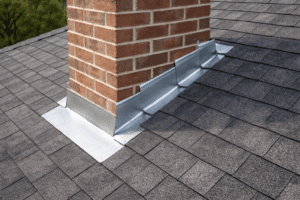
What is roof flashing?
Roof flashing is a thin material, usually made from metal, that is installed at vulnerable points on a roof to prevent water from entering the home.
These vulnerable areas include places where:
-
The roof meets a wall
-
A chimney passes through the roof
-
Skylights are installed
-
Roof angles change
Roof flashing acts as a barrier, directing water away from seams and openings where leaks are most likely to occur.
Why roof flashing is so important
Even the best roofing materials can fail if flashing is missing or installed incorrectly.
Water naturally looks for the easiest path downward. Without flashing, water can seep into small gaps, slowly damaging the roof deck, insulation, and interior of the home. Over time, this can lead to rot, mold, and costly repairs.
In our experience, many roof leaks are not caused by the shingles themselves, but by flashing issues that were overlooked or improperly installed.
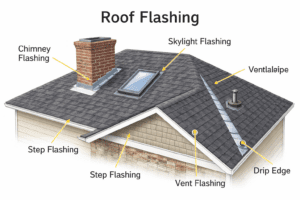
Where is roof flashing installed?
Roof flashing is used anywhere water flow could be interrupted.
Common flashing locations include:
-
Chimneys
-
Skylights
-
Valleys where roof slopes meet
-
Roof edges and walls
Each of these areas requires a specific type of flashing designed to move water safely away from the structure.
What is roof flashing made of?
Roof flashing is typically made from durable metals that resist corrosion and weather damage.
The most common materials include aluminum, galvanized steel, and copper. Each material has its own advantages depending on the roof type, climate, and budget.
Regardless of material, proper installation matters far more than the flashing itself.

How roof flashing prevents leaks
Flashing works by overlapping materials in a way that forces water to flow outward instead of inward.
When installed correctly, flashing creates a layered system that channels water away from seams and penetrations. When installed incorrectly, even small gaps can allow water to slip behind roofing materials.
That’s why flashing issues are often discovered during a professional roof inspection.
Common problems caused by bad flashing
Improper flashing can cause serious problems over time.
Some of the most common issues we see include:
-
Leaks around chimneys or skylights
-
Water stains on ceilings or walls
-
Rotting roof decking
-
Mold growth inside the home
Many of these problems develop slowly and go unnoticed until damage becomes significant.
You can learn more about common roofing issues here:
Most Common Roofing Problems
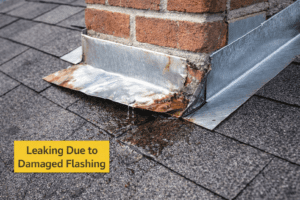
Can roof flashing be repaired?
In many cases, yes.
If flashing is damaged but the surrounding roof is still in good condition, repairs may be possible. However, if flashing was installed incorrectly or has deteriorated over time, replacement may be the better option.
Flashing is often replaced during roof replacement projects to ensure long-term protection
How flashing relates to storm damage
Storms, heavy rain, and strong winds can loosen or damage flashing, especially around roof penetrations.
After severe weather, flashing is one of the first things inspectors check when evaluating storm damage repair needs.
Catching flashing damage early can prevent water intrusion and interior damage.
Why professional installation matters for roof flashing
Roof flashing is not a cosmetic detail — it’s a functional system that must be installed correctly.
Small installation mistakes can cause big problems. That’s why flashing should always be installed or repaired by experienced roofing professionals who understand how water moves across a roof and follow the building code requirements.
At JA Edwards of America, we regularly see leaks caused by improper flashing rather than failed roofing materials. Correcting these issues early can save homeowners significant time and money.
FAQ: What Is Roof Flashing?
What is roof flashing?
Roof flashing is a thin metal material installed at roof joints and penetrations to prevent water from entering the home.
Where is roof flashing used?
Flashing is used around chimneys, skylights, roof valleys, walls, and any area where water flow may be interrupted.
Can roof flashing cause leaks?
Yes. Improperly installed or damaged flashing is one of the most common causes of roof leaks.
Does flashing need maintenance?
Flashing should be inspected regularly, especially after storms or during routine roof inspections.
Is flashing replaced during roof replacement?
Yes. Flashing is typically replaced during a roof replacement to ensure proper waterproofing.
Final thoughts
So, what is roof flashing?
It’s one of the most important — and often overlooked — parts of a roofing system. When installed correctly, flashing quietly protects your home from water damage. When it fails, leaks are often not far behind.
Regular inspections and proper installation are the best ways to ensure flashing continues doing its job. If you suspect a leak or haven’t had your roof inspected recently, starting with a professional inspection is always the smartest move.