

Storm Damage Roof RepairSt. Lucie County, FL
Wind, hurricane bands, debris impact, hail, or an active leak after severe weather? Start with the condition of the roof. JA Edwards of America serves St. Lucie County from our Port St. Lucie office with free inspections, photo documentation, temporary roof protection when needed, and repair or replacement scopes. Call (772) 204-2452.
Free Storm Damage Inspection
Tell us what happened, whether there is an active leak, and the St. Lucie County property address. Our Port St. Lucie team will follow up about the roof.
We document roof conditions and roofing scope. Insurance coverage decisions belong to the carrier.
Verified credentials — click any badge to confirm directly






Storm damage is not always one obvious hole
A post-storm inspection should look at the roof system, not just the first missing shingle you can see from the driveway.

Wind Damage
Lifted or displaced roofing, ridge damage, flashing movement and edge conditions that may allow water into the assembly.
Wind damage guide →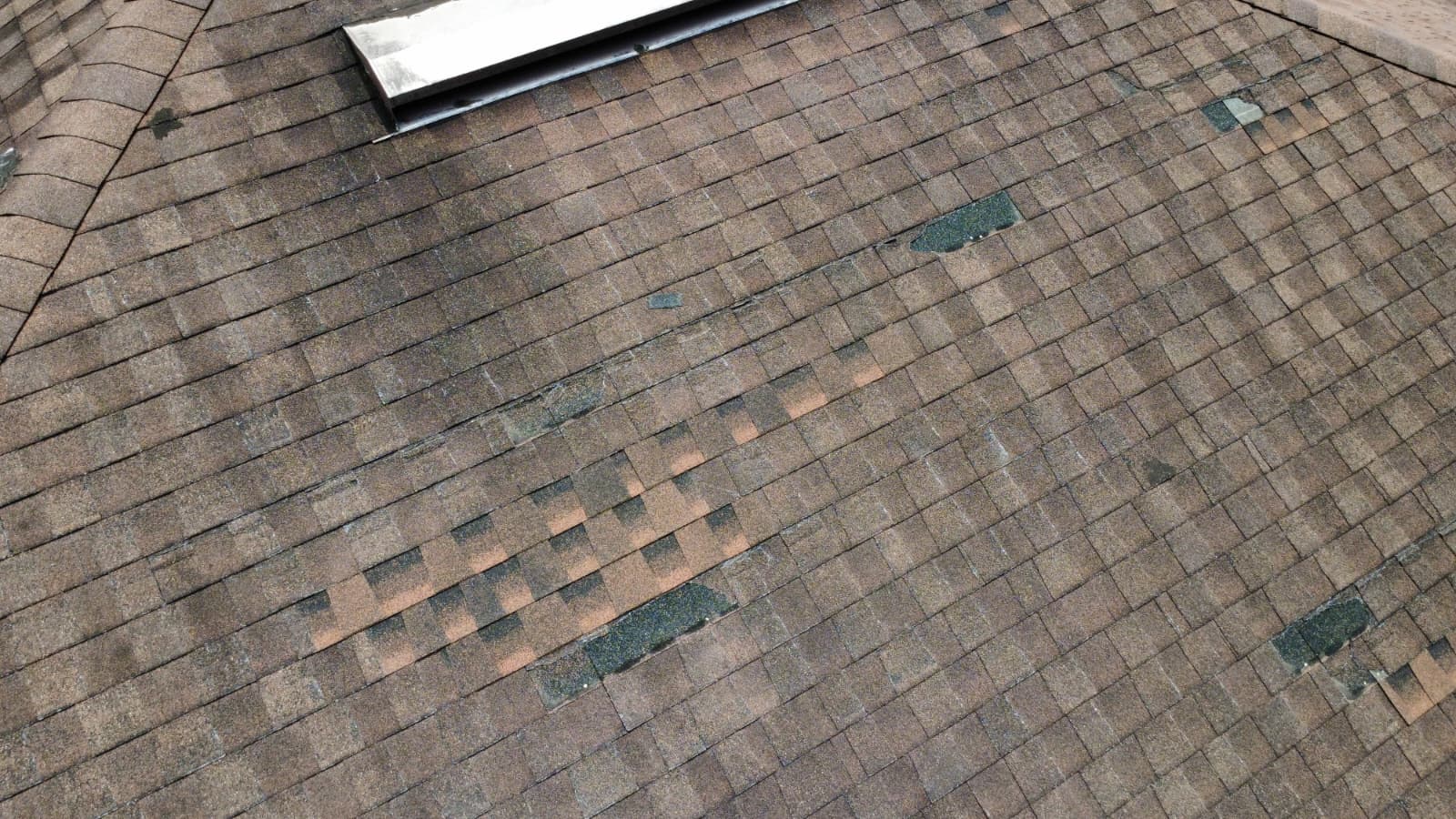
Hail & Impact
Impact marks, cracked material, surface damage and debris-related conditions that deserve a closer roof-level inspection.

Leaks After a Storm
A ceiling stain may come from damaged flashing, roof covering, penetrations or another storm-created path. The first job is finding the entry point.
Roof repair →
Temporary Protection
When open damage is allowing water in, temporary roof protection can help limit additional damage while the permanent scope is determined.
The roof and the insurance claim are related, but they are not the same job.
Our role is the roof: document visible conditions, explain repairability, prepare a construction scope, and perform approved roofing work. The insurance carrier determines whether a loss is covered under the policy.
Local roofing support from Port St. Lucie
Make the roof safer before you make it permanent
The first response should preserve safety, stop additional water when necessary and create a clean record of what the property looked like after the event.
Stay off an unsafe roof
Do not climb onto wet, steep, structurally damaged or debris-covered roofing just to get a closer photo.
Document before cleanup
Photograph visible roof damage, debris, interior water symptoms and temporary protection before conditions change.
Protect open damage
If water is entering the building, temporary roof protection can help reduce additional damage while the permanent scope is planned.
Not every storm problem looks dramatic from the ground
Missing or displaced roofing
Shingles, ridge caps, tile or metal components that moved during high wind deserve inspection.
Flashing or edge damage
Roof edges, wall transitions, vents and penetrations can become leak paths when flashing or attachment is disturbed.
Debris impact
Branches and wind-borne debris can damage roof covering, decking or adjacent components even when the opening is small.
New ceiling stains
Water may travel before it becomes visible indoors, so the ceiling stain is a clue rather than a guaranteed roof entry point.
Damaged tile or surface marks
Cracks, displaced tile, impact marks or other surface changes should be evaluated in context with the surrounding roof.
Repeated leaking after rain
A temporary dry period does not necessarily mean the roof is sealed. Wind-driven rain can expose damage during the next weather cycle.
Inspect it. Protect it. Then decide what needs rebuilding.
Inspect
Document the roof covering, flashings, penetrations, drainage, visible interior symptoms and accessible substrate conditions.
Stabilize
Use appropriate temporary protection when open damage or active water intrusion creates an immediate need.
Scope
Separate localized repair from broader replacement based on condition, repairability and the surrounding roof system.
Complete
Perform the approved roofing work, required inspections and closeout documentation for the property.
Clear roles make the process less confusing
We document the roof
Our roofing role is construction-focused. We can inspect the roof and explain the roofing work we believe is needed.
- Photograph visible roof conditions
- Identify roofing components that appear damaged
- Prepare a repair or replacement scope
- Explain our own estimate and materials
- Perform temporary and permanent roofing work
The carrier decides coverage
Coverage, policy interpretation, deductibles and claim settlement are insurance decisions, not contractor decisions.
- Determines whether the reported loss is covered
- Applies policy terms, exclusions and deductibles
- Reviews claim documentation and its own inspection
- Issues the coverage and payment determination
Storm damage does not automatically mean a full new roof
Localized, repairable damage
A targeted repair can be appropriate when the damaged area is limited and the surrounding roof remains serviceable.
- Localized flashing or penetration failure
- Limited missing or displaced roofing
- Small impact area with sound surrounding material
- Roof system can be repaired without creating a weak transition
Widespread or unrepairable conditions
Replacement may become the more responsible scope when damage is broad, multiple areas are affected or the surrounding system no longer supports a durable repair.
- Widespread storm-related roof failure
- Multiple leaking or compromised areas
- Wet components or substrate issues discovered in scope
- Existing roof condition makes isolated repair impractical
Temporary protection and permanent work are not the same permit question
St. Lucie County publishes specific post-storm permitting guidance for properties under County jurisdiction. The County identifies temporary roof tarping among minor post-disaster repairs that can be permit-exempt when the published conditions are met.
Permanent roof repair or reroof work still has to follow the applicable Florida Building Code and local permitting requirements. For County-jurisdiction reroof work, St. Lucie County states that work exceeding 25% of the existing roof area within a 12-month period requires a permit.
From temporary protection to finished roofing

Temporary Protection
Protect the building when open damage is allowing additional water intrusion.

Permanent Roofing Scope
Repair or replacement based on the roof condition, material, repairability and approved project scope.

Local Port St. Lucie Team
St. Lucie County storm-damage requests are supported from our physical office on NW University Blvd.
Roofing support across St. Lucie County
Port St. Lucie
City-specific storm damage roofing from the local office on NW University Blvd.
Fort Pierce
Wind, rain, debris and post-storm roof inspection support from the Port St. Lucie operation.
St. Lucie Village
Roofing service near the Indian River Lagoon with permitting based on the property jurisdiction.
River Park
Storm-related inspection, roof repair and replacement support.
White City
Post-storm roofing service for homes and properties in the unincorporated county area.
Unincorporated St. Lucie County
County permitting guidance applies where St. Lucie County Building & Permitting is the authority.
Get the storm damage documented clearly
Tell us what happened, whether water is getting in, and the St. Lucie County property address. Our Port St. Lucie team will contact you about the roof inspection and next roofing step.
Feedback from the local office serving St. Lucie County
The live Google review widget below is connected to the Port St. Lucie profile that supports this county service area.


Straight answers after severe weather
Start with safety. Photograph visible damage from safe locations, protect open roof damage from additional rain when necessary, notify your insurer promptly if you plan to make a claim, and schedule a roof inspection to document the physical condition.
Yes. JA Edwards of America provides free standard storm-damage roof inspections throughout the St. Lucie County service area from our Port St. Lucie operation. We document visible roof conditions and explain the roofing options we observe.
No. A roofing contractor can inspect and document the roof, explain repairability and prepare a roofing scope. The insurance carrier determines coverage, applies policy terms and deductibles, and makes the claim settlement decision.
Temporary protection may be appropriate when open damage is allowing additional water intrusion. Photograph the original damage when it is safe to do so, keep records and receipts, and avoid unnecessary permanent work before the insurer has had a reasonable opportunity to inspect the original condition.
It depends on the property jurisdiction and scope. St. Lucie County publishes post-storm exemptions for certain qualifying minor work, including temporary roof tarping, while permanent roofing work outside the exemption follows normal permitting requirements. For County-jurisdiction reroof work, work exceeding 25 percent of the existing roof area within a 12-month period requires a permit.
The decision depends on how much of the roof is affected, whether the surrounding material remains serviceable, the condition of the roof assembly and whether a durable repair can be made. Storm damage does not automatically mean a full replacement.
St. Lucie County is served by the JA Edwards of America office at 540 NW University Blvd STE 103, Port St. Lucie, FL 34986. Call (772) 204-2452 for storm-damage roof inspection requests.
JA Edwards of America — Port St. Lucie
Port St. Lucie, FL 34986
Storm-damage roof inspection requests
CCC1334804 · CGC1534283
The weather passed. Now find out what the roof needs.
Schedule a free storm-damage roof inspection in St. Lucie County and get a clear record of the roof condition before deciding on temporary protection, repair or replacement.