
Where Are Roofing Shingles Made?
Introduction
Where are roofing shingles made is a common question homeowners ask when they compare roofing materials, pricing, and quality. That question matters because shingles do not all come from the same places, and they also do not follow the same standards everywhere. In Florida, this matters even more, because heat, humidity, and storms put extra stress on every roof.
In our experience, homeowners make better decisions when they understand where shingles come from and why that location affects quality control, wind ratings, and warranty terms. Therefore, we wrote this guide to explain the basics in a simple, clear way.
Roofing shingles are mostly made in the United States and Canada, and manufacturers produce them in regional plants to serve local demand. Shingle makers use fiberglass mats, asphalt, and mineral granules, and they test products to meet specific building codes and wind ratings. In Florida, we always recommend shingles that meet Florida code requirements because strong sun and high winds can shorten the life of the wrong product.
What Roofing Shingles Are Made Of
Before we talk about where shingles come from, we should explain what they are made of. That way, the manufacturing process makes more sense.
Most homes use asphalt shingles, and those shingles usually include:
-
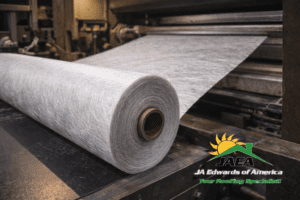
A fiberglass mat for strength
-
Asphalt for water resistance
-
Mineral granules for UV protection and color
-
Sealant strips to help shingles bond together
Fiberglass gives the shingle structure. Then, asphalt adds waterproofing. Finally, granules protect the surface from sunlight, and they also help the shingle last longer. Because Florida sun is intense, granule quality often matters more than people think.
Where Most Roofing Shingles Come From
The United States
Most roofing shingles used in the U.S. come from U.S. manufacturing plants. Companies place plants in different regions because shipping heavy roofing materials costs money, and long shipping routes also increase damage risk.
So, manufacturers build plants across areas such as:
-
The Southeast
-
The Midwest
-
The Northeast
-
The South
In addition, U.S. shingle products usually target U.S. code requirements and common climate needs. As a result, homeowners often find it easier to confirm approvals, warranty coverage, and rated performance.
Canada
Canada also produces roofing shingles, and many Canadian products meet strong standards. However, some product lines focus more on cold-weather priorities. Because of that, a homeowner in Florida should not assume every Canadian-made shingle fits Florida conditions.
Instead, we recommend checking the wind rating, the product approvals, and the heat/UV performance. That way, you pick a product that matches the climate, not just the price.
Other Countries
Some shingles come from other countries and enter the U.S. through imports. Sometimes, these products cost less. However, lower cost does not automatically mean good value. In Florida especially, imported shingles can create issues if the product does not meet local approval requirements or if warranty support becomes complicated.
In our experience, problems usually appear when someone chooses a product without checking Florida compliance first. Therefore, we always recommend confirming approvals before purchase and before installation.
Why Manufacturing Location Matters
Where shingles are made can affect quality, but the “why” is important.
Code compliance and approvals
Florida sets strict roofing rules because hurricanes and high winds are real risks. So, manufacturers must meet specific standards, and contractors must install approved products.
The Florida Building Code sets requirements for roofing materials and installation rules. Therefore, homeowners should always choose shingles that fit Florida code requirements, not just generic national options.
Climate-driven performance
Florida heat, UV exposure, and humidity can stress shingles faster. Because of that, manufacturers often adjust formulas, granule types, and testing standards depending on regional demand.
We’ve worked on roofs in Florida where the shingles looked “fine” at first, but they aged faster than expected because they were not the best match for the environment. As a result, homeowners ended up replacing the roof sooner than planned.
How Manufacturers Make Roofing Shingles
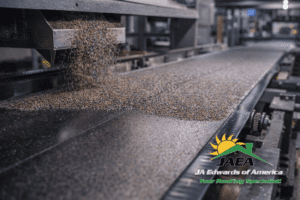
Shingle plants follow a fairly consistent process. However, quality varies based on materials, controls, and testing.
Most manufacturers follow steps like these:
-
They create or receive fiberglass mats
-
They coat the mats with asphalt
-
They press mineral granules into the surface
-
They cut the shingles into shape
-
They add sealant strips and package the product
-
They run quality checks for ratings and consistency
Small changes in asphalt blend, granule bonding, or mat strength can change how long a shingle lasts. Therefore, quality control inside the plant matters.
Are All Shingles From the Same Brand Made in the Same Place?
No. Even when homeowners buy one brand, that brand may produce shingles in several different plants. Because of that, two “similar” shingles can still differ slightly in availability, specs, and regional performance targets.
So, instead of focusing only on brand, we recommend checking:
-
The exact product line name
-
The wind rating
-
The Florida approvals
-
The warranty terms
Why Homeowners Should Care
This topic matters because roofing is not only about the material. It is also about code compliance, long-term performance, and warranty protection. When homeowners understand where shingles come from, they can compare options with more clarity. As a result, they avoid expensive surprises later.
If you want help choosing the right shingle system for Florida conditions, start here:
roof replacement services
Why Shingle Manufacturers Build Plants in Many States
Shingle companies do not build one giant plant and ship shingles across the entire country. Instead, they build many regional plants. That approach makes sense because shingles are heavy, and shipping costs add up fast. Also, shipping long distances increases damage risk.
So, companies spread plants out because:
-
They want faster delivery and better inventory
-
They want lower freight costs
-
They want to serve regional demand
-
They want steady supply after storms
In Florida, this matters a lot. After storms, demand spikes. Therefore, a strong supply chain often matters as much as brand name.
Examples of Major Manufacturers and Plant Footprints
We are not here to cheer for brands. Instead, we want homeowners to understand the system. Big manufacturers usually publish plant info or at least confirm they produce in the U.S.
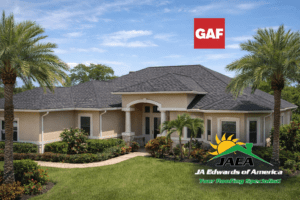
For example, GAF states it has plants across the United States and also lists its manufacturing scale.
Also, CertainTeed publishes a list of roofing plant locations, which shows how production spreads across different states.
Because plants vary by region, the same brand may ship different product runs into Florida depending on supply and distribution. That is normal. However, you still need to confirm approvals and ratings for Florida.
In our experience, homeowners get the best long-term value when they choose a properly rated shingle system and follow the correct install requirements. For that reason, we frequently install GAF roofing systems, and we hold GAF Master Elite 3-Star President’s Club status. Therefore, we focus on materials that meet Florida standards and on installation details that protect the roof over time.
Does “Made in the USA” Automatically Mean “Good for Florida”?
No. “Made in the USA” helps with supply chain and code alignment, but Florida still has special demands.
Florida brings:
-
stronger UV exposure
-
high humidity
-
heavy rain
-
high wind uplift requirements
So, you should focus on ratings and approvals, not only the origin story.
Therefore, the key question becomes:
Does this exact shingle line meet Florida requirements for the zone where the home sits?
Florida Code, Wind Ratings, and What You Actually Need to Check
Florida does not play around with roofing performance. Because of hurricanes and storm patterns, Florida requires clear standards and approvals.
The standards you will see most often
Florida product approvals frequently reference standards like:
-
ASTM D3161
-
ASTM D3462
-
ASTM D7158
You can see these standards referenced inside Florida’s product approval system.
Also, Florida code discussions and guidance commonly point to wind-resistance classifications tied to ASTM classes.
What this means in plain English
Shingles are not all rated the same for wind. Some shingles meet lower wind classes, and others meet higher ones. Therefore, you want the rating that matches your local exposure and code needs.
In our experience, homeowners get into trouble when they buy “good shingles” but ignore the rating and approval details for Florida. Then the install fails inspection, or the roof performs poorly later.
How Shingle Manufacturing Works (and Why Quality Can Vary)
People ask “where are shingles made,” but they usually mean something else:
“How do I know these shingles are consistent and reliable?”
Most manufacturers follow a similar process:
-
They create or receive fiberglass mats
-
They coat those mats with asphalt
-
They press granules into the asphalt surface
-
They cut shingles to size
-
They add sealant strips
-
They run testing and quality checks
Industry explanations often describe fiberglass mat creation and the bonding process as a major part of shingle performance.
So, even if two shingles look similar, they can differ in:
-
fiberglass mat strength
-
asphalt blend quality
-
granule adhesion
-
sealant design
-
testing consistency
Therefore, you cannot judge a shingle by appearance alone.
How to Tell Where Your Shingles Came From
Most homeowners will not visit a factory. That is fine. You still have practical ways to check origin and traceability.
Check the packaging label
Shingle bundles often include codes or plant identifiers. You might not get a huge “MADE IN OHIO” sign, but you often get:
-
plant code
-
production batch code
-
product line name
-
date run
Ask your contractor for the exact product documentation
A professional roofer should confirm:
-
product approval status
-
wind rating class
-
installation method required for that rating
If a contractor cannot provide that info, that is not “confidence.” That is guessing with your house.
“Imported Shingles”: Should You Avoid Them?
Not automatically. However, you should treat them with caution, especially in Florida.
Imported shingles can create problems when:
-
approvals are unclear or missing
-
warranty support is complicated
-
ratings do not match Florida code needs
So, if you see a “cheap deal,” you should ask one simple question first:
Can we verify Florida approval and wind performance for this exact shingle?
If the answer is not a clean yes, then you should not install it.
What We Recommend for Florida Homeowners
We do not recommend a “one-size-fits-all” shingle for every home. However, we do recommend a consistent decision process.
Our Florida decision checklist
We recommend homeowners and property managers focus on:
-
Florida product approval confirmation
-
wind rating and exposure fit
-
proper underlayment and ventilation plan
-
contractor installation quality
-
warranty rules and correct accessories
Also, you should always match the roof system to the home’s condition. For example, if the decking has issues, you need to address that first. A “better shingle” does not fix structural problems.
If you want help evaluating the best option for your property, start with a professional inspection:
roof inspection services
Final Takeaway
Roofing shingles are mostly made in the U.S. and Canada. However, the better question is not only where they come from. Instead, the better question is whether the exact product meets Florida’s approvals, wind ratings, and real-world climate demands.
In our experience, the best results come from a simple approach: choose the right rated product, confirm Florida approval, and install it correctly.