
How to File a Roof Insurance Claim in Orlando, FL: A Step-by-Step Guide
Most Orlando homeowners file a roof claim once, maybe twice in their lives. The decisions made in the first 48 hours after a storm matter more than most people realize, and they're rarely the ones anyone warns you about.
Central Florida's storm pattern has its own personality. A thunderstorm can build over Orange County, drop golf-ball hail and 60 mph gusts for twenty minutes, and clear out completely before the evening news covers it. That speed is exactly what makes documentation so important here. By the time an adjuster arrives days later, afternoon rain, normal yard cleanup, or your own instinct to tidy up can already have softened the visible evidence of what actually happened.
Whatever carrier you have, the practical issue is the same: the claim file is built around documentation, inspection findings, and the terms of your policy. This guide walks through the process from the homeowner's side, while keeping the roles clear: your insurer decides coverage, and your roofing contractor documents the physical condition of the roof and provides a repair or replacement scope.
You are responsible for paying any insurance deductible that applies to your roofing work.
A contractor that knowingly pays, waives, or rebates all or part of an applicable deductible with intent to defraud or deceive can commit third-degree felony insurance fraud.
Intentionally submitting an insurance claim that contains false, incomplete, or misleading information can also constitute third-degree felony insurance fraud.

The Claim Process, Step by Step
Document the damage before anything gets cleaned up
Photograph exterior damage from multiple angles, plus any interior stains or water intrusion, within 24 hours if possible. Once debris is cleared or a tarp goes on, that documentation window closes. Note the date and approximate time of the storm.
Check your policy before calling your insurer
Pull your declarations page and identify your deductible and whether the policy references replacement cost value (RCV) or actual cash value (ACV). If you are unsure what those provisions mean for your loss, ask your insurance carrier, agent, or an appropriately licensed insurance professional. A roofing contractor can explain the repair estimate, but should not interpret your policy coverage.
Schedule a professional inspection before the adjuster arrives
A contractor inspection gives you independent documentation of the roof's physical condition, separate from the carrier's own inspection. Our Orlando team provides free roof inspections with photos and a written roofing scope you can keep with your claim records.
File the claim promptly
Florida gives you a one-year window from the date of loss for a new claim, but filing quickly gets you into the adjuster scheduling queue earlier, which matters most when a widespread storm has generated a high volume of claims across Central Florida at once.
Write down your claim number and adjuster's name
The carrier will assign both once your claim is logged. Keep a written record of every contact with your insurer going forward, including dates and names.
Have your contractor present for the adjuster's visit
The insurer's adjuster documents the loss for the carrier. A roofing contractor can be present to point out observed roof conditions, take its own photos, and explain its repair estimate. The contractor does not determine coverage or adjust the claim on your behalf.
Review the written estimate line by line
Compare the carrier's estimate with your contractor's roofing scope so you understand any differences in quantities, materials, or repair items. Your contractor can explain its own bid; questions about coverage, policy obligations, or claim decisions should go to the insurer or an appropriately licensed insurance professional.
What Makes Orlando Claims Different
Orange County doesn't take the direct hurricane landfalls that the coasts see, but Central Florida's summer storm cell pattern produces frequent, fast, localized damage events, hail and straight-line wind more often than sustained hurricane force. That means the burden of proof often comes down to timing: connecting the specific damage to a specific afternoon storm rather than to months of gradual wear. Weather.gov's local storm reports are worth pulling and saving alongside your own photos for exactly this reason.
Widespread Central Florida storms can generate a large number of inspections at the same time. Once you have documented the damage and reviewed your policy information, report the loss promptly to your insurer and follow the carrier's instructions rather than waiting unnecessarily.
Have This Ready When You Call
Storm date
The date, and approximate time if you know it, of the event that caused the damage.
Policy number
Found on your declarations page, usually the first document in your policy packet.
Photo and video documentation
Exterior and interior, timestamped if your phone supports it automatically.
Contractor inspection report, if you have one
Independent roof-condition documentation gives you a clearer record to compare with the carrier's inspection.
If your roof is actively leaking, take reasonable temporary steps to prevent additional damage, such as emergency tarping when appropriate, and document the condition before and after the temporary work. Before permanent repairs, follow your insurer's instructions and preserve photos, invoices, and damaged materials when practical.
Need a Roof Inspection Before the Adjuster Visit?
We provide free roof inspections, photos, and a written roofing scope. If requested, our roofing team can be present during the carrier's inspection to discuss the physical roof condition and our repair estimate. The carrier makes coverage decisions.
Schedule a Free Orlando Inspection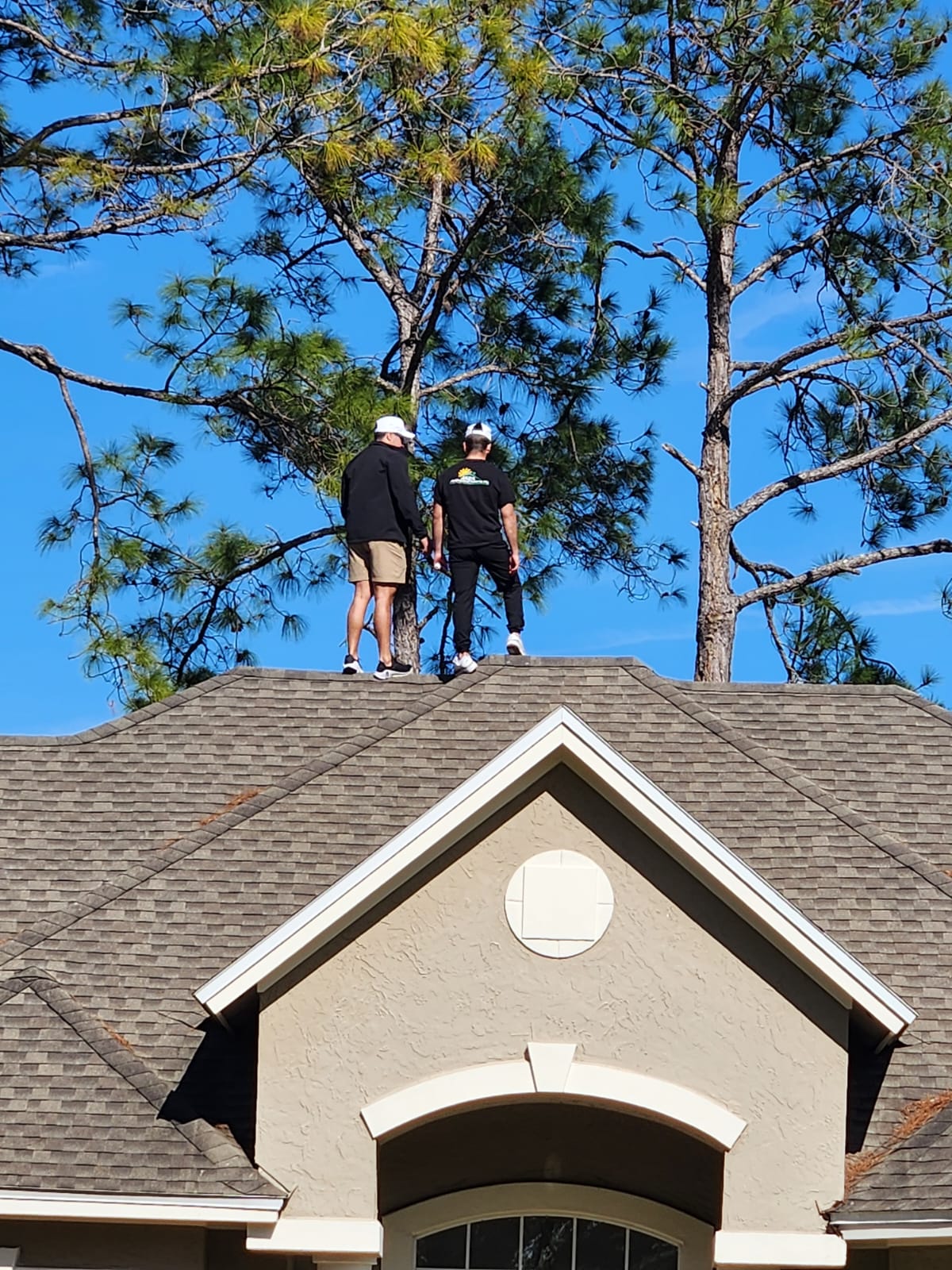
Frequently Asked Questions
How long do I have to file a roof insurance claim in Orlando?
Florida gives you one year from the date of loss to file a new or reopened claim, and 18 months for a supplemental claim on one already paid. Filing sooner still helps, since it gets you into the adjuster scheduling queue earlier.
Should I get a contractor inspection before or after filing my claim?
Before, if possible, or at least before the adjuster's visit. Independent documentation from a contractor gives you something to compare against the carrier's own assessment rather than accepting it as the only record of what happened.
What's the difference between ACV and RCV coverage?
ACV generally reflects depreciation, while RCV coverage may allow recovery of replacement cost subject to the policy's terms, deductible, documentation, and any completion requirements. Ask your carrier or insurance agent how those provisions apply to your specific loss.
Can I make repairs before the adjuster inspects my roof?
Temporary, protective measures like tarping an active leak are expected and appropriate. Permanent repairs before the adjuster's visit can complicate what they're able to verify, so hold off on anything beyond stopping further damage.
Why does having a contractor present at the adjuster meeting matter?
A contractor can document the roof independently, point out observed conditions, and explain its own repair estimate during the carrier's inspection. The insurer's adjuster handles the carrier's claim evaluation, while the contractor stays focused on the roofing scope.
Contractor Role & Insurance Questions
JA Edwards of America is a licensed roofing and general contractor, not an insurance company or public adjuster. We inspect roofs, document physical conditions, prepare roofing estimates, and discuss our own repair scope. We do not interpret insurance policy provisions, determine coverage, or adjust a property insurance claim on behalf of a homeowner. For questions about coverage, deductibles, or duties under your policy, contact your insurer, insurance agent, public adjuster, or attorney as appropriate.
Florida references: Fla. Stat. § 489.147 and Fla. Stat. § 627.70132.