
How Long Does a Roof Last in Florida? [2026 Complete Guide]
In Florida, a typical asphalt shingle roof lasts 15-25 years, a metal roof lasts 40-70 years, and a tile roof can last 50+ years. However, Florida’s intense sun, high humidity, and hurricane season can significantly reduce these lifespans. Regular inspections and maintenance are critical to maximizing your roof’s life in the Florida climate.
The Big Question: How Long Will My Florida Roof Actually Survive?
It’s one of the most common questions we get from homeowners across Florida, from Orlando to Tampa: “How long should my roof really last?” It’s a simple question with a surprisingly complex answer. While national averages provide a baseline, they don’t account for the unique and punishing conditions our roofs endure here in the Sunshine State.
Florida’s combination of intense UV radiation, extreme humidity, torrential downpours, and the constant threat of hurricanes creates a uniquely challenging environment for any roofing material. Understanding the realistic lifespan of different roofing systems in this climate is crucial for budgeting, maintenance, and protecting your home.
This guide will break down the expected lifespan of the most common roofing materials in Florida, the key factors that can shorten that lifespan, and what you can do to get the most out of your investment.
Roof Lifespan by Roofing Material
Not all roofs are created equal, especially when facing Florida’s weather. Here’s a realistic look at how long you can expect different materials to last.
| Roofing Material | Standard Lifespan (National Avg.) | Realistic Florida Lifespan | Key Florida Factors |
| Asphalt Shingles | 20-30 Years | 15-25 Years | Intense UV degradation, algae growth (black streaks), hurricane wind damage |
| Metal Roofs | 40-70 Years | 40-70 Years | Excellent durability, but requires proper coating to prevent salt-air corrosion (coastal areas) |
| Clay/Concrete Tile | 50-100+ Years | 50+ Years | Extremely durable and wind-resistant, but can crack from impacts (tree limbs) |
| Flat Roofs (TPO/EPDM) | 15-30 Years | 10-20 Years | Seam failure from heat expansion/contraction, ponding water issues |
Different roofing materials are built to last different amounts of time. Let’s break it down in a simple way.
1. Asphalt Shingles: The Florida Home Staple (15-25 Years)
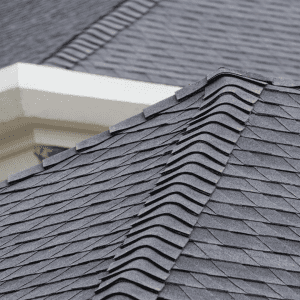
Asphalt shingles are the most common roofing material in Florida due to their affordability and ease of installation. However, they are also the most vulnerable to our climate.
“The intense UV radiation in Florida is the number one enemy of an asphalt shingle roof,” says Jordan Edwards, CEO of JA Edwards of America. “It bakes the oils out of the shingles, making them brittle and prone to cracking and granule loss.”
What Shortens its Lifespan:
- UV Exposure: Constant sun exposure breaks down the asphalt, causing shingles to lose their protective granules.
- Humidity & Algae: High humidity promotes the growth of blue-green algae (Gloeocapsa magma), which causes unsightly black streaks and can trap moisture.
- Hurricane Winds: Standard shingles are often rated for winds up to 90 mph. A Category 2 or 3 hurricane can easily exceed this, leading to widespread shingle loss.
2. Metal Roofs: The Durable Champion (40-70 Years)
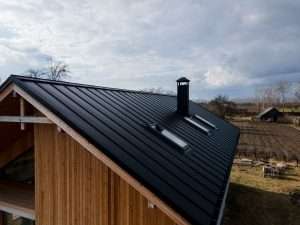
Metal roofing has become increasingly popular in Florida for a good reason: durability. Systems like standing-seam metal can withstand hurricane-force winds far better than shingles and are highly resistant to fire and rot.
What Shortens its Lifespan:
- Salt Spray: In coastal areas like Port St. Lucie or Jacksonville, salt in the air can corrode the metal finish if not properly treated and maintained.
- Improper Installation: Metal roofing requires specialized installation techniques. Improperly fastened panels or flashing can lead to leaks and wind uplift.
- Denting: While durable, metal can be dented by heavy hail or falling tree limbs.
3. Tile Roofs: The Lifetime Investment (50+ Years)
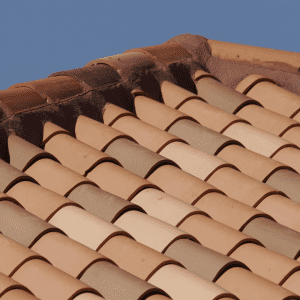
Clay and concrete tile roofs are a hallmark of Florida architecture. They offer exceptional longevity and wind resistance, often lasting the lifetime of the home itself.
What Shortens its Lifespan:
- Impact Damage: While strong, individual tiles can crack if struck by a heavy object, like a falling coconut or large tree branch.
- Underlayment Failure: The tiles themselves are waterproof, but the underlayment beneath them is what truly keeps your home dry. This felt or synthetic layer can degrade after 20-30 years and require replacement, even if the tiles are still in good condition.
- Walking on the Roof: Improperly walking on a tile roof can easily crack the tiles.
Flat Roofs
Average lifespan: 10–25 years
Flat roofs are common on commercial buildings and some homes.
They require:
-
Proper drainage
-
Regular inspections
-
Ongoing maintenance
Without care, flat roofs can develop leaks much sooner than sloped roofs.
5 Factors That Can Cut Your Roof’s Lifespan in Half
- Poor Attic Ventilation: An improperly ventilated attic can trap heat and moisture, essentially “cooking” your shingles from the inside out and accelerating their decay.
- Overhanging Trees: Tree limbs can scrape against the roof, wearing away granules. They also provide shade, which encourages algae growth, and can fall during a storm, causing catastrophic damage.
- Improper Installation: Cutting corners on installation is the fastest way to a premature roof failure. This includes using the wrong number of nails, improper flashing techniques, and failing to install a proper drip edge that meets Florida codes.
- Delayed Repairs: A small, unrepaired leak can lead to wood rot, mold, and structural damage, turning a minor issue into a major expense and compromising the entire roofing system.
- Pressure Washing: Never, ever pressure wash an asphalt shingle roof. It will strip the protective granules and void your warranty, drastically shortening the roof’s life.
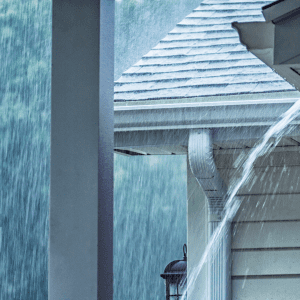
Warning Signs Your Roof Is Near the End of Its Life
Here are common signs your roof may be wearing out:
-
Curled, cracked, or missing shingles
-
Water stains on ceilings or walls
-
Sagging areas on the roof
-
Mold or algae growth
-
Frequent repairs
If you notice more than one of these signs, it’s time to take action.
How to Maximize Your Roof’s Lifespan in Florida: A 3-Step Checklist
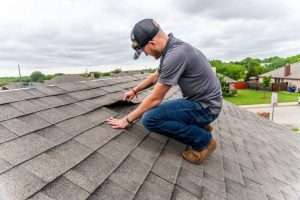
- Step 1: Schedule Annual Inspections. A professional roofer can spot minor issues before they become major problems. For a Florida home, an inspection before hurricane season (June 1st) is a wise investment.
- Step 2: Keep it Clean. Gently remove debris like leaves and pine needles from your roof and gutters. This prevents water from backing up and causing rot.
- Step 3: Act on Repairs Immediately. If you notice a water spot on your ceiling or a missing shingle, don’t wait. Call a licensed roofing contractor like [JA Edwards of America] immediately.
By understanding the unique challenges your roof faces in Florida and taking proactive steps to maintain it, you can ensure your roof provides the protection your family deserves for years to come.
When Should You Start Planning for a Roof Replacement?
You should never wait for a major leak.
It’s smart to start planning when:
-
Your roof is close to its expected lifespan
-
Repairs become more frequent
-
Insurance coverage becomes limited
-
You’re preparing to sell your home
Planning ahead gives you more options and less stress.
Why Experience Matters When It Comes to Roof Lifespan
Understanding how long a roof lasts isn’t just about reading numbers online — it comes from real, hands-on experience.
At JA Edwards of America, our team has worked with thousands of residential and commercial roofs across Florida. From asphalt shingles to metal and tile systems, we’ve seen firsthand how heat, storms, and humidity affect roof lifespan over time.
This experience allows us to identify early warning signs, recommend the right materials, and help homeowners make smart decisions before small problems turn into costly repairs. Homeowners who work with experienced professionals are far more likely to get the full lifespan out of their roofs.
FAQ: How Long Does a Roof Last?
Can a roof last longer than expected?
Yes. With quality materials, proper installation, and regular maintenance, some roofs last longer than average.
How often should I inspect my roof?
At least once a year, plus after major storms.
Does homeowners insurance cover old roofs?
It depends on the policy. Older roofs often have limited coverage.
Is a metal roof worth it in Florida?
For many homeowners, yes. Metal roofs handle heat, wind, and rain very well and last much longer than shingles.
Final Thoughts
So, how long does a roof last?
It depends on the material, the climate, and how well it’s taken care of.
In Florida, roofs face extreme conditions year-round. Knowing your roof’s age and condition can help you avoid surprises and protect your home.
If you’re unsure about your roof’s condition, professional roofing services can help you understand whether repairs are enough or if it’s time to plan for replacement. Experienced roofing contractors in Orlando understand Florida’s climate and know what to look for.
If you’d like clear answers and peace of mind, you can also schedule a roof inspection to better understand how much life your roof has left.