
Florida’s 15-Year Roof Rule: Can Insurance Make You Replace Your Roof?
A plain-English guide for Florida homeowners dealing with roof age, insurance renewals, roof inspections, remaining useful life, and the question everyone asks: “Do I really have to replace my roof?”
Florida does not have a law that automatically forces every homeowner to replace a roof at 15 years old. Under Florida Statute 627.7011, an insurer generally cannot refuse to issue or renew a homeowners policy solely because a roof is less than 15 years old. If the roof is 15 years old or older, the insurer must allow the homeowner to have the roof inspected by an authorized inspector before requiring replacement as a condition of issuing or renewing coverage. If that inspection shows the roof has five years or more of useful life remaining, the insurer cannot refuse to issue or renew the policy based solely on roof age.
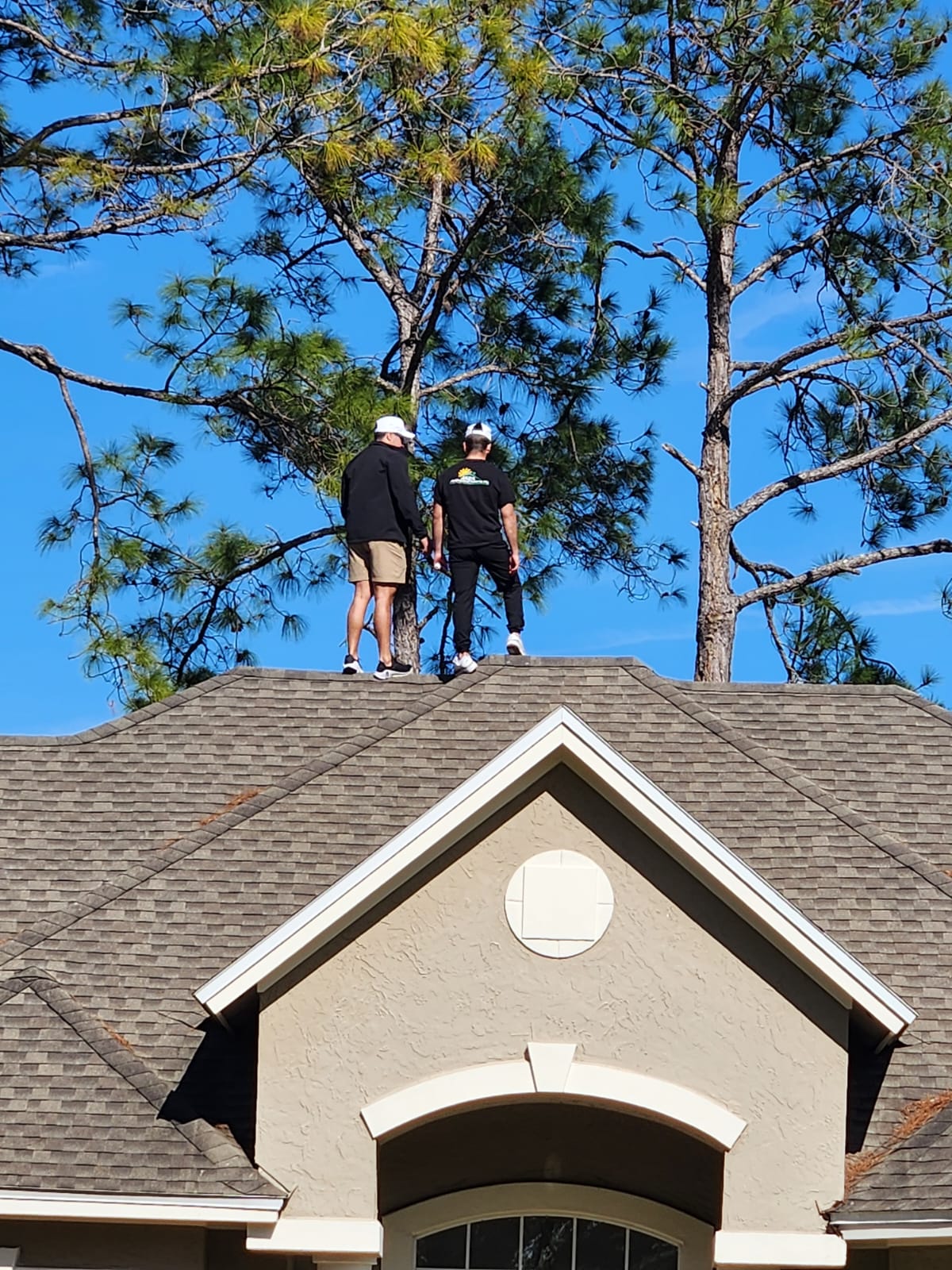
If your insurance company has ever mentioned your roof’s age, you already know how quickly a normal renewal can turn into a panic project. One day you are paying your premium like a responsible adult. The next day you are being told your roof is “too old,” your policy may not renew, and you need a contractor, an inspection, or a full replacement before a deadline that feels like it was written by someone who has never met a calendar.
That is why Florida’s 15-year roof rule matters. It is one of the most misunderstood roofing and insurance topics in the state. Some homeowners think the law says every roof must be replaced at 15 years. Some contractors use the rule to scare people into signing too fast. Some insurance letters make it sound like replacement is the only path, even when the roof may still have useful life left. The truth is more useful than the fear version.
The 15-year rule is not a magic expiration date. It is a roof-age rule tied to homeowners insurance underwriting. In simple terms, Florida law limits how an insurer can use roof age by itself when deciding whether to issue or renew a homeowners policy. The law creates a protection for roofs under 15 years old and a required inspection opportunity for roofs that are 15 years old or older.
This guide explains what the rule actually says, what it does not say, what to do if your insurer questions your roof, and when a roof inspection can help you avoid replacing a roof that still has life left. It also explains where homeowners get burned, because apparently replacing a roof was not already expensive enough without everyone adding confusion on top like it is a free topping.
What Florida’s 15-year roof rule really means
Florida’s 15-year roof rule is part of Florida Statute 627.7011. The roof-age section says two important things homeowners should understand before making any decision.
First, an insurer may not refuse to issue or refuse to renew a homeowners policy on a residential structure with a roof that is less than 15 years old solely because of the roof’s age. That word “solely” matters. If the only issue is that the roof is 12, 13, or 14 years old, age alone should not be enough for the insurer to refuse the policy under that part of the statute.
Second, if the roof is at least 15 years old, the insurer must allow the homeowner to have a roof inspection performed by an authorized inspector at the homeowner’s expense before requiring replacement as a condition of issuing or renewing the policy. If the inspection indicates that the roof has five years or more of useful life remaining, the insurer may not refuse to issue or renew the homeowners policy solely because of roof age.
That is the real rule. Not “replace every roof at 15 years.” Not “insurance can never question your roof.” Not “a contractor can promise coverage if they write a nice letter.” The rule gives homeowners a chance to prove the roof still has useful life before the insurer requires replacement based only on age.
If your Florida roof is under 15 years old, insurance generally cannot reject it just because of age. If your roof is 15 years or older, you may need an authorized inspection showing whether the roof has at least five more years of useful life.
The 15-year rule does not mean automatic roof replacement
This is the part homeowners need to hear first: a 15-year-old roof is not automatically dead. A roof is not a carton of milk. It does not hit a birthday and suddenly become illegal, although the insurance market sometimes behaves like it has been powered by panic and spreadsheets.
Roof age matters because older roofs are more likely to have wear, brittle shingles, granule loss, failing flashing, exposed fasteners, weakened seal strips, older underlayment, or past storm damage that was never properly repaired. Florida makes that worse because roofs here deal with high UV exposure, humidity, salt air in coastal areas, heavy rain, tropical systems, and hurricane-season wind. A 15-year-old roof in Florida has usually had a harder life than a 15-year-old roof in a cooler, drier state.
But age is only one factor. A 15-year-old architectural shingle roof in good condition may still have useful life left. A 15-year-old tile roof may have many years left if the underlayment, flashing, and fasteners are in good shape. A metal roof can often last much longer than 15 years if installed correctly and maintained. On the other hand, a 10-year-old roof with bad storm damage, poor ventilation, bad installation, or active leaks may be a bigger insurance problem than an older roof that has been maintained and documented.
That is why the inspection matters. The question is not simply “How old is the roof?” The better question is: “What condition is the roof in, and can an authorized inspector document remaining useful life?”
What to do if your insurance company sends a roof-age letter
If you receive a nonrenewal notice, coverage warning, underwriting request, or letter saying your roof needs to be replaced because of age, do not jump straight to panic replacement. Also do not ignore it. Ignoring an insurance deadline is one of those bold human strategies that creates a larger, more expensive problem with impressive efficiency.
Start by reading the letter carefully. Look for exactly what the carrier is asking for. Some letters ask for a roof replacement before renewal. Some ask for a roof condition inspection. Some ask for photos. Some ask for a four-point inspection. Some ask for proof of repairs. Some mention roof age, but the actual issue may be curling shingles, missing shingles, exposed underlayment, visible damage, or an old permit record.
Once you know what they are asking for, schedule a professional roof inspection quickly. You want documentation before the deadline. The inspection should include photos, visible roof condition, roof covering type, signs of leaks or damage, areas of concern, and a professional opinion on whether the roof may have useful life remaining. If the roof is 15 years or older, the report may help you respond to the carrier instead of agreeing to replacement blindly.
If the inspection shows the roof is in poor condition, replacement may be the right answer. If the inspection shows the roof still has useful life, you may be able to submit that documentation to the insurance company or agent. Either way, the inspection gives you facts. Facts are better than fear, which is annoying because fear has much better marketing.
Read the insurance letter and identify the exact request, deadline, and reason given for the roof issue.
Schedule a roof inspection with photos and written documentation before agreeing to full replacement.
Roof age is generally tied to when 100% of the roof was built or replaced under code, not just when you bought the house.
Save inspection reports, repair invoices, roof permits, warranties, photos, and insurance correspondence.
Who can perform the roof inspection?
Florida Statute 627.7011 defines an “authorized inspector” broadly, but the inspector must be approved by the insurer and fall into one of the allowed categories. The statute includes licensed home inspectors, certified building code inspectors, licensed general, building, residential, or roofing contractors, professional engineers, professional architects, or another qualified individual or entity recognized by the insurer.
That means a licensed roofing contractor may be able to inspect the roof for this purpose, but homeowners should still confirm what the insurance carrier will accept. Some carriers have specific forms. Some want a four-point inspection. Some want photos from particular roof slopes. Some may want an inspector who meets their internal underwriting rules. This is why the best first move is not “get any random person with a ladder.” The best first move is to ask the carrier or agent what form and inspector qualification they require, then schedule the inspection accordingly.
JA Edwards of America is a licensed Florida roofing contractor and general contractor, and our roof inspections are built around documentation: photos, roof condition, visible concerns, and a clear written scope when repairs or replacement are recommended. If your insurer has a specific form, send it before the inspection so the report can be aligned with what they need.
What does “five years of useful life remaining” mean?
“Remaining useful life” is an estimate of how much serviceable life the roof appears to have based on its condition at the time of inspection. It is not a guarantee that no storm, leak, branch, hurricane, or installation defect will ever cause a problem. Florida weather laughs at guarantees. But it is a professional opinion that the roof does not appear to require replacement immediately due only to age.
An inspector may look at shingle condition, granule loss, cracking, curling, lifting, brittle tabs, flashing, roof penetrations, valleys, ridge caps, ventilation, previous repairs, signs of leaks, soft decking, fastener issues, corrosion, and whether the roof covering appears near the end of its functional life. For tile and metal roofs, the inspector may also look at broken tiles, fastener corrosion, underlayment age, coating condition, panel seams, penetrations, and edge details.
If the roof appears to have at least five years of useful life remaining, that can matter under the statute when the insurer’s objection is based solely on roof age. If the roof clearly has less than five years remaining, or if the inspection shows active damage, widespread deterioration, or serious leak risk, replacement may be the more realistic path.
The important thing is that useful life is not based on vibes. It should be supported by observable roof condition and documented with photos. A good inspection report does not just say “roof looks fine.” It shows why.

How roof material affects the 15-year conversation
Insurance letters often make roof age feel like one simple number, but roof materials do not age the same way. A 15-year-old asphalt shingle roof and a 15-year-old tile roof are not the same asset. A 15-year-old metal roof is different again. This is one reason homeowners get frustrated: the underwriting process may start with an age trigger, while the actual roof condition depends heavily on material, installation, maintenance, and location.
Asphalt shingle roofs are common across Florida because they are practical, cost-effective, and widely accepted by insurers. In Florida’s climate, however, shingles deal with heat, UV exposure, wind uplift, algae growth, and storm debris. By the time a shingle roof reaches 15 years, it should be inspected carefully, especially if it has gone through multiple hurricane seasons or has visible granule loss, lifted tabs, or repeated repairs.
Tile roofs can last longer on the surface, but the hidden waterproofing layer underneath matters. A tile roof may still look strong from the driveway while the underlayment, flashing, or penetrations are aging underneath. This is why a tile roof inspection should not stop at “the tiles look good.” The important question is whether the system is still watertight and serviceable.
Metal roofs can also last much longer than 15 years when installed properly, but they still need inspection. Fasteners, seams, penetrations, coating, edge metal, and corrosion matter, especially in coastal areas where salt exposure is real. A metal roof is not automatically a problem at 15 years, but it still needs documentation if insurance asks.
For Florida homeowners, the rule creates an opportunity to shift the conversation away from age alone and toward documented condition. That is exactly where a strong roof inspection helps.
When insurance can still refuse or nonrenew coverage
This part matters because the 15-year rule is not a force field. It does not mean every roof must be accepted forever. It does not mean a roof with active leaks, missing shingles, failed underlayment, structural issues, bad installation, or major storm damage is automatically protected. It also does not stop the insurer from using other lawful underwriting criteria.
Florida Statute 627.7011 says the insurer cannot refuse to issue or renew solely because of roof age in the situations described by the statute. The same section also says it does not limit the insurer’s ability to reject or nonrenew for other lawful reasons, including underwriting criteria tied to replacement cost or law and ordinance policies. In normal homeowner language: if the problem is only age, the statute gives you protection. If the problem is age plus condition, damage, poor maintenance, or other underwriting concerns, you may still have work to do.
This is why the inspection report should separate age from condition. If the carrier is concerned about age only, a useful-life inspection may help. If the carrier is concerned about visible damage, the report should identify what is damaged and whether repair is reasonable. If the roof is near failure, the report should say that too. A report that pretends a bad roof is fine may get you a temporary answer, but it will not keep water out of your house. Minor detail, apparently.
What should be included in a strong roof inspection report?
A roof inspection for insurance should be more than a quick opinion. The report should be clear enough for a homeowner, insurance agent, underwriter, or adjuster to understand what was inspected and what was found. It should document the roof, not decorate the problem.
A good report should include the property address, inspection date, roof type, estimated or documented roof age, visible roof condition, photos of all roof slopes when possible, photos of penetrations, valleys, flashing, ridge areas, problem areas, and any visible damage. It should also explain whether the roof appears repairable, whether replacement is recommended, and whether there are signs that the roof may have remaining useful life.
For older roofs, documentation of previous repairs can help. If you repaired flashing, replaced damaged shingles, cleaned debris from valleys, corrected ventilation, fixed a leak, or replaced roof components, keep those invoices and photos. Insurance underwriting is much easier when you can show maintenance history instead of telling a carrier, “Trust me, it’s fine.” A charming sentence, but not a strategy.
Homeowners should also keep a copy of the roof permit if the roof was replaced. Under the statute, roof age is calculated using the last date on which 100% of the roof’s surface area was built or replaced according to the code in effect at that time, or the initial date of a partial replacement when later partial builds or replacements resulted in 100% of the roof surface being replaced. That means permit history can matter when the roof age is disputed.
Insurance asking about your roof age? Start with documentation.
JA Edwards of America provides roof inspections with photos, visible condition notes, and a clear written scope so you know whether repair, certification, or replacement is the smarter next step.
Should you repair, certify, or replace the roof?
The right answer depends on roof condition, insurance requirements, your timeline, and whether the roof has enough useful life to justify keeping it. There are three common paths.
Option one: inspect and certify useful life
If the roof is older but in good shape, an inspection may support the argument that replacement should not be required solely because of age. This is the path homeowners hope for when they receive a roof-age letter. It is also the path that requires the strongest documentation, because the report needs to be accepted by the carrier.
Option two: repair documented problem areas
If the roof has limited issues, such as a few damaged shingles, a minor flashing defect, a small leak source, or isolated storm damage, repair may be enough. The key is documenting the repair. Before and after photos, invoices, and a follow-up inspection can help show the carrier that the visible issue has been addressed.
Option three: replace the roof
If the roof has widespread deterioration, repeated leaks, brittle shingles, failing underlayment, storm damage across multiple slopes, bad decking, or less than five years of useful life, replacement may be the practical answer. That does not mean you should sign the first estimate dropped in your mailbox by someone with a clipboard and suspicious confidence. Get a clear scope, ask about permits, verify license and insurance, and compare what is actually included.
If replacement becomes the best path, read our related guides on roof replacement cost in Orlando, roof replacement cost in Jacksonville, and roof replacement cost in Port St. Lucie before approving the work. Price only matters when you understand the scope. Otherwise you are comparing numbers, not roofs.
Mistakes Florida homeowners should avoid
The first mistake is assuming the insurance company is automatically wrong. Sometimes the roof really is at the end of its life. If the shingles are brittle, the decking is compromised, leaks are active, or the underlayment has failed, replacement may be necessary. Fighting that with a weak inspection report only delays the inevitable and gives water more time to explore your ceiling.
The second mistake is assuming the insurance company is automatically right. A carrier may flag a roof because of age, but Florida law gives homeowners a process. If your roof is 15 years or older, you may have the right to submit an authorized inspection before replacement is required based solely on age. That process is there for a reason.
The third mistake is hiring the fastest contractor instead of the right contractor. A roof-age letter creates urgency, and urgency attracts bad decisions. Before signing anything, verify the contractor’s license, ask who pulls the permit, confirm what materials are included, ask whether the inspection report includes photos, and make sure the company can explain the difference between roof age, roof condition, storm damage, and insurance underwriting.
The fourth mistake is filing an insurance claim before understanding the roof condition. A claim may be appropriate when there is sudden storm damage, wind damage, hail damage, or another covered event. But filing a claim for age-related wear can create headaches without solving the problem. A roof inspection before filing gives you a clearer path.
The fifth mistake is waiting until renewal week. If your roof is approaching 15 years, schedule an inspection before the insurance company forces the issue. Proactive documentation gives you more options. Reactive panic gives you contractors, carriers, agents, deadlines, and stress all fighting for one miserable little week of your life. Modern civilization, thriving as usual.
How JA Edwards helps Florida homeowners with roof-age issues
JA Edwards of America helps homeowners across Orlando, Tampa, Jacksonville, and Port St. Lucie understand what their roof actually needs before they make a replacement decision. Our inspection process is designed to give you documentation: photos, roof condition notes, visible problem areas, and a written scope if repair or replacement is recommended.
If your insurance company is asking for roof information, send us the letter or form before the inspection. If the carrier wants a specific type of report, we want to know that up front. If your roof appears to have useful life left, the report should help you have a more informed conversation with your agent or insurer. If the roof needs replacement, you will know why, and you will have a clear scope instead of vague pressure.
The goal is simple: do not replace a roof just because someone scared you, and do not keep a failing roof just because replacement is expensive. Get the roof inspected, document the condition, understand your insurance situation, and make the decision from facts.
Frequently Asked Questions
Florida’s 15-year roof rule is part of Florida Statute 627.7011. It says an insurer generally cannot refuse to issue or renew a homeowners policy solely because a roof is less than 15 years old. For roofs 15 years or older, the insurer must allow the homeowner to get an authorized inspection before requiring roof replacement based solely on age.
No. Florida law does not automatically require every roof to be replaced at 15 years old. The roof may need to be inspected, and if the inspection shows five years or more of useful life remaining, the insurer cannot refuse to issue or renew the policy solely because of roof age.
The insurer cannot refuse or nonrenew solely because of roof age in the situations protected by the statute. However, the insurer may still consider other lawful underwriting issues, such as roof condition, damage, poor maintenance, active leaks, or replacement-cost eligibility.
The statute includes several types of authorized inspectors, including licensed home inspectors, certified building code inspectors, licensed general, building, residential, or roofing contractors, professional engineers, professional architects, or another qualified person or entity recognized by the insurer. Homeowners should confirm what their specific carrier will accept.
It means the roof appears, based on inspection, to have at least five more years of serviceable life. It is not a guarantee against future storm damage or leaks, but it can help show that the roof should not be replaced solely because of age.
The roof-age rule can affect different roofing materials, but tile, metal, and asphalt shingles age differently. A 15-year-old tile or metal roof may still have significant life left, while a shingle roof may need closer review depending on condition, installation, and storm exposure.
Roof age alone is not usually a reason to file a claim. Claims are generally tied to sudden covered events such as wind, hail, falling debris, or storm damage. Before filing, schedule a professional roof inspection to understand whether the issue is storm damage, age-related wear, or maintenance.
Read the letter carefully, note the deadline, ask what inspection form or documentation the carrier requires, and schedule a professional roof inspection. If the roof still has useful life, the report may help you respond. If the roof needs replacement, get a clear written scope before signing anything.
Get your roof inspected before insurance forces the decision
If your roof is approaching 15 years old, or your insurance company is asking questions, start with a professional inspection and photo report.