
Roof Maintenance Tips for Tampa Bay Coastal Homes
Tampa roofs have to manage more than age. Salt-laden coastal air, heavy summer rain, wind, intense sun and tropical weather all affect how different roof components wear. The goal of maintenance is not to make a roof last forever. It is to catch small problems while they are still small and keep water moving where it belongs.
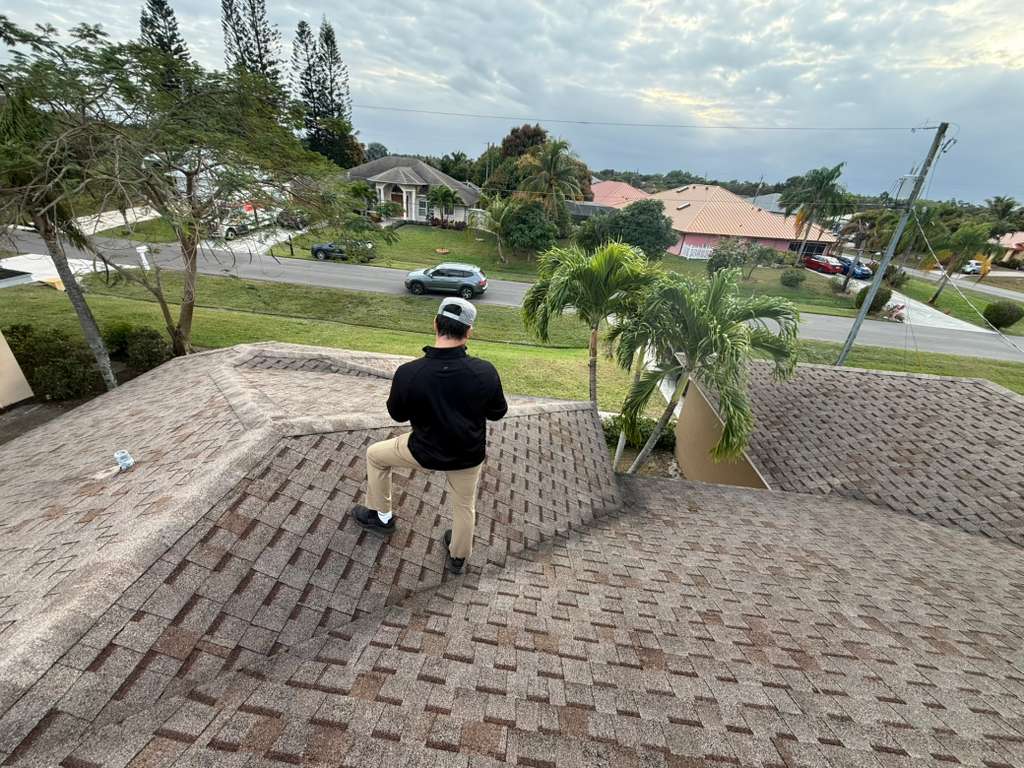
Roof maintenance in Tampa should be practical. You do not need to climb onto the roof every month, coat everything in sealant or replace a roof simply because it reached a certain birthday. You do need to keep an eye on drainage, flashing, exposed metal, roof covering condition and anything that changed after a storm.
That matters in Tampa Bay because the local weather puts several types of stress on the same roof. The National Weather Service Tampa Bay office identifies a long warm-season rainy period for West Central Florida, with frequent thunderstorms, heavy rain and periods of damaging wind. The official Atlantic hurricane season runs from June 1 through November 30.
Coastal exposure adds another maintenance issue: corrosion. Research published through the Florida Building Commission found roof-fastener corrosion was observed most often in coastal regions and identified chloride exposure as a reason corrosion is more serious in coastal environments.
Why Tampa Roof Maintenance Is Different From Inland Florida
The phrase "coastal roof maintenance" can get abused into marketing nonsense, so it helps to be specific about what actually changes near Tampa Bay.

The Tampa Roof Maintenance Checklist
You can do part of this from the ground. You do not need to become the neighborhood's least-qualified roofing technician.
Keep gutters, downspouts and drainage paths clear
Leaves, branches and other debris can slow or redirect water. GAF recommends keeping gutters and downspouts clear and watching for sagging or leaks. On low-slope systems, drains and scuppers deserve the same attention.
Watch flashing and roof penetrations
Pipe boots, wall transitions, chimneys, skylights, valleys and other penetrations are common places for leaks to begin. Look for visible rust, movement, failed sealant or staining, and have anything suspicious checked before repeated rain makes diagnosis harder. Our roof flashing guide explains the major flashing types and where they are used.
Look at roof edges and ridge areas
Perimeters, ridge caps and exposed edge metal are worth checking after strong wind. Missing, shifted or lifted material should be evaluated instead of simply pushed back into place from a ladder.
Check the attic when safely accessible
Look for new staining, damp insulation, musty conditions, daylight through the roof deck or changes around penetrations. Interior evidence can appear before a leak becomes visible in a finished room.
Document the roof before storm season
Current photos give you a useful baseline. After significant weather, you can compare what changed instead of relying on memory. If the roof is older or difficult to see from the ground, a professional photo-documented inspection is more useful than guessing.
Address actual defects instead of coating over them
Loose flashing, failed pipe boots, missing shingles, cracked tile and drainage issues should be diagnosed correctly. Smearing roof cement or sealant over a symptom can hide the problem without fixing the water path.
What Should You Watch for on Different Roof Types?
Asphalt Shingle
Watch for missing or lifted shingles, creases, exposed fasteners, unusual granule accumulation in gutters, damaged ridge caps and flashing movement.
Granules naturally shed over time, so granule loss by itself does not automatically mean storm damage or replacement. The surrounding shingle condition matters.
Tile
Look for slipped, cracked or broken tile, damaged hip/ridge pieces and flashing concerns. Because tile is only part of the water-shedding assembly, a roof can also have underlayment or flashing issues that are not obvious from the street.
Metal
Pay attention to panel seams, flashings, fasteners where exposed, coatings, cut edges and any visible corrosion. Coastal chloride exposure makes material selection and corrosion protection particularly relevant around Tampa Bay.
Flat / Low-Slope
Keep drains and scuppers open and watch for membrane damage, open seams, flashing deterioration and persistent ponding. Low-slope systems depend heavily on drainage because water does not move off them as quickly as it does on a steep roof.
What Does Salt Air Actually Do to a Roof?
Salt air is not a magic acid cloud that destroys every Tampa roof. Distance from the coast, prevailing wind, roof height, material, coating and component design all matter. But coastal chloride exposure is a legitimate corrosion factor.
A Florida Building Commission research project on roof fasteners reported corrosion most frequently in coastal areas and specifically identified chloride ions as making the problem more serious in coastal environments. The study highlighted fasteners around ridge vents and penetrations as common locations where corrosion had been observed.
For homeowners, the practical takeaway is simple: exposed or accessible metal deserves attention. Flashing, fasteners, drip edge and other metal transitions should be inspected for rust, detachment and deterioration instead of assuming the roof covering is the only component that matters.
When Should Tampa Homeowners Check the Roof?
NRCA recommends residential roof systems be visually inspected at least twice each year, preferably in spring and fall, with additional checks after severe weather. For most homeowners, that does not mean paying a contractor to visit twice every year. A safe visual check from the ground, attic and accessible areas can cover routine monitoring.
A professional inspection makes more sense when you see something you cannot diagnose, the roof is aging, the property has stronger coastal exposure or severe weather may have changed the roof's condition.
If the roof was exposed to a significant storm, use our guide on when to get a roof inspection after a storm or go directly to our Tampa storm damage roof repair page.
Can You Pressure Wash a Shingle Roof?
Do not treat every roof surface the same way. GAF's current technical guidance for asphalt shingles specifically says not to power wash shingles because doing so can dislodge granules and contribute to premature shingle failure.
That does not mean pressure washing is prohibited on every roofing product. Some commercial membranes, coatings and other substrates have manufacturer-specific cleaning procedures that can include controlled pressure washing. The correct cleaning method depends on the roof system.
Signs Your Tampa Roof Needs More Than Routine Maintenance
Maintenance is useful when the roof is fundamentally serviceable. It is not a substitute for repairing actual damage.
| What You See | What It May Mean | Next Step |
|---|---|---|
| New ceiling stain | Possible active or previous water intrusion | Have the leak path investigated rather than painting over the stain. |
| Missing / lifted shingles | Wind damage, installation issue or age-related loss of adhesion | Inspect the affected area and surrounding shingles. |
| Cracked / slipped tile | Impact, foot traffic, movement or aging | Determine whether damage is isolated and inspect surrounding underlayment details. |
| Rust at flashing / fasteners | Coating breakdown or corrosion exposure | Evaluate the component before corrosion affects attachment or water shedding. |
| Recurring gutter overflow | Blocked drainage, undersized/downstream issue or improper flow | Clear debris and verify where the water is backing up. |
| Soft / sagging area | Possible decking or structural deterioration | Professional inspection promptly. Do not walk on the area. |
| Repeated repair at same leak | Underlying water path may not have been corrected | Diagnose the roof assembly instead of applying another surface patch. |
If a defect needs work, our Tampa roof repair team can evaluate whether a targeted repair is reasonable. If the roof has widespread deterioration or repeated failures, compare the options in our roof repair vs. replacement guide.

How Much Does Roof Maintenance Cost in Tampa?
There is no useful flat price for "roof maintenance" because that phrase can describe anything from clearing a small drainage obstruction to repairing flashing, replacing broken tile or rebuilding a damaged roof section.
The original version of this article listed fixed ranges for maintenance, storm repair and full replacement. Those numbers can become misleading quickly because price depends on roof size, material, pitch, access, extent of damage, permit requirements and the actual scope.
JA Edwards' standard Tampa roof inspection is free. If work is needed, the better number is a project-specific estimate based on the condition of the roof rather than a generic internet range. For replacement planning, see our new roof cost guide.
Can Small Roof Problems Wait Until Next Season?
Some cosmetic conditions can be monitored. Active water entry, open flashing, missing roof material, damaged drainage details and other defects that allow water into the system should not simply be carried into another Tampa rainy season.
The reason is not that every small defect instantly becomes a major structural problem. It is that repeated rain gives an existing water path more opportunities to cause damage. If you are unsure whether a condition is cosmetic or functional, inspect it before deciding to wait.
What If the Damage Happened During a Storm?
Storm damage and maintenance overlap, but they are not the same thing. If wind, hail, debris or water intrusion changed the roof during a specific event, document the physical condition and have the roof evaluated.
A roofing contractor can inspect, photograph and prepare a repair or replacement scope. The insurance carrier determines whether the damage is covered under the policy. JA Edwards does not act as a public adjuster or determine coverage.
For Tampa-specific storm guidance, visit Storm Damage Roof Repair in Tampa.
Why Use a Local Tampa Roofing Team for the Inspection?
Maintenance recommendations only help if they match the roof, the property and the actual conditions. JA Edwards of America's Tampa office serves Hillsborough County and the surrounding Tampa Bay area from 9270 Bay Plaza Blvd #612, Tampa, FL 33619.
JA Edwards is a Florida Certified Roofing Contractor (CCC1334804), Certified General Contractor (CGC1534283) and GAF Master Elite contractor. Standard residential roof inspections are free and include photo documentation and a written recommendation.
You can also explore our full Tampa roofing services, residential roofing in Tampa and Tampa roof replacement pages.

Not Sure What Your Tampa Roof Needs?
JA Edwards of America offers free roof inspections in Tampa Bay with photo documentation and a written recommendation so you can see what needs attention, what can wait and what does not need work.
Schedule a Free Roof InspectionFrequently Asked Questions About Roof Maintenance in Tampa
How often should Tampa homeowners check their roof?
NRCA recommends visually inspecting residential roof systems at least twice per year, preferably in spring and fall, and checking again after severe weather. Homeowners can perform many routine visual checks from the ground. A professional inspection is more useful when there are leaks, visible damage, corrosion, storm exposure or questions about an aging roof.
Does salt air damage roofs in Tampa?
Coastal chloride exposure can increase corrosion risk for metal roof components and fasteners. The effect depends on distance from the coast, exposure, material, coating and other conditions. Florida Building Commission research has found roof-fastener corrosion is more commonly observed in coastal regions.
What should I do before hurricane season?
Check visible roof condition, clear accessible gutters and drainage paths, look for existing leaks or flashing problems, address unsafe tree hazards through an appropriate professional and document the roof's current condition. Problems that already allow water into the roofing system should be addressed before repeated storm-season rainfall.
Can I pressure wash my shingle roof?
GAF advises against power washing asphalt shingles because it can dislodge granules and contribute to premature shingle failure. Cleaning methods should follow the manufacturer guidance for the roofing product installed on the home.
What roof areas should I inspect most closely in Tampa?
Pay particular attention to flashing, penetrations, roof edges, ridge details, gutters, drains, visible metal components and any area that has leaked before. Coastal properties should also watch for corrosion on exposed metal components.
Is JA Edwards' Tampa roof inspection free?
Yes. JA Edwards offers a free standard roof inspection for Tampa homeowners evaluating roof condition, repair or replacement. Specialized engineering, insurance, certification or other formal inspections may be separate services.
Does an older roof automatically need replacement?
No. Age is one factor, but the recommendation should be based on actual condition, extent of deterioration, leak history, material, deck condition and whether repairs can still be performed reliably.
Should I get a roof inspection after every Tampa thunderstorm?
No. Routine thunderstorms do not automatically require a professional inspection. Schedule one when there is damaging wind or hail, visible roof changes, debris impact, water intrusion or another reason to believe the roof's condition may have changed.
Technical & Local Sources
National Weather Service Tampa Bay — Florida Thunderstorm / Rainy Season
National Weather Service Tampa Bay — Tropical Weather & Atlantic Hurricane Season
Florida Building Commission — Roof Fastener Corrosion Research
National Roofing Contractors Association — Maintaining Residential Roof Systems
GAF — How to Identify Roof Damage
GAF — Conducting a Roof Inspection From the Ground