
Do You Need a Roof Inspection After a Storm in Florida?
Not every afternoon thunderstorm means you need a roofer on the ladder. But hail, strong wind, falling debris, active leaks and named storms can damage a roof in ways that are difficult to judge from the ground.

The practical answer is not "always." If a small storm passed through with no hail, no strong wind and no signs of trouble, there may be no reason to schedule an immediate inspection. If your area had severe wind, hail, a hurricane or tropical storm, falling branches, or you notice a leak or displaced roofing material, getting the roof checked is a much more reasonable move.
The reason is simple: some storm damage is obvious, but some is not. The National Weather Service notes that severe thunderstorms can produce hail large enough to damage roofs and wind strong enough to damage shingles, trees and structures. GAF also advises homeowners to look for both visible exterior damage and less obvious signs such as leaks or attic moisture after a major storm.
When a Post-Storm Roof Inspection Makes Sense
The National Weather Service defines a severe thunderstorm as one capable of producing hail at least one inch in diameter or wind gusts greater than 58 mph. That does not mean 58 mph is a magical threshold below which a roof cannot be damaged. Roof age, installation, material condition, wind direction, debris and previous wear all affect how a particular roof responds.
So instead of using a single wind-speed rule, look at the whole event and the condition of the property afterward.
What a Roofer Checks After a Storm
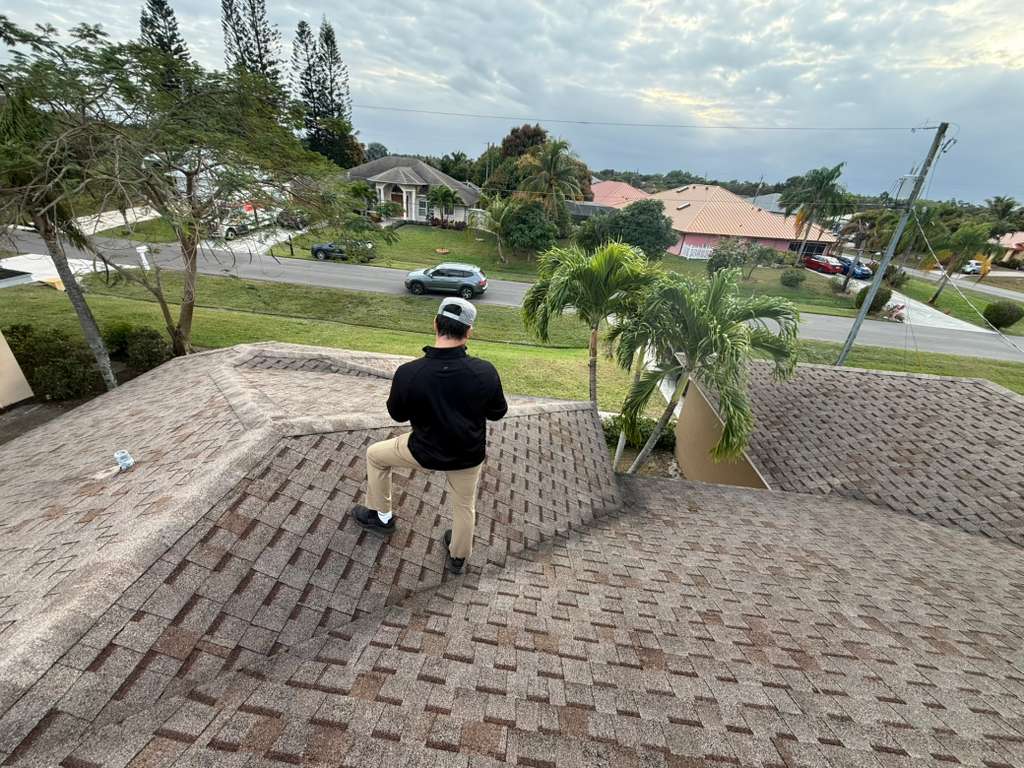
A useful post-storm inspection is more than a driveway estimate. The goal is to determine what changed, what is damaged, whether water has a path into the roofing system and what should happen next.
Shingle roofs
The inspector looks for missing shingles, lifted or creased tabs, impact marks, exposed fasteners, displaced ridge material, abnormal granule loss and changes around edges and penetrations. Normal aging and storm-related damage are not the same thing, so the surrounding condition matters.
Tile roofs
Concrete and clay tile are checked for cracked, broken, slipped or displaced pieces, along with damage around ridges, hips, valleys and penetrations. A broken tile does not automatically mean the entire roof needs replacement. The location and extent of the damage matter.
Metal roofs
The inspection may include panels, exposed fasteners where applicable, seams, trim, flashing and penetrations. Wind-driven debris and hail can leave cosmetic marks, functional damage or both, and those should not be treated as the same thing without evaluating the system.
Flashing and penetrations
Roof-to-wall areas, vents, chimneys, skylights, pipe penetrations and other transitions deserve close attention after wind-driven rain because small openings can become water-entry points.
Decking and attic conditions
Where safely accessible, the inspector may look for moisture staining, active water entry, sagging, soft areas or other evidence that water reached the roof deck or attic. The underlayment itself is usually concealed by the roof covering, so claims about its condition should be limited to what can actually be observed or reasonably documented.
JA Edwards' standard roof inspections in Florida include photo documentation and a written recommendation based on what the inspection finds.
Immediate Problem or Something That Can Wait?
Call Promptly
- Active interior water intrusion
- A tree or large branch on the roof
- Visible structural movement or sagging
- Large sections of missing roofing
- Open roof areas exposed to additional rain
- Electrical hazards near roof damage
Schedule a Condition Check
- Hail was reported nearby but you see no obvious damage
- Strong wind moved through the neighborhood
- You find shingles or roofing debris in the yard
- Minor staining appeared after the storm
- The roof is older and has been through repeated storm seasons
- You simply cannot see enough of the roof safely from the ground
If the structure is unsafe, there are downed power lines, or a tree is resting on the home, stay clear of the area and address the safety issue first. Homeowners should not climb onto a wet, steep or storm-damaged roof to inspect it themselves.
What to Do If the Roof Is Actively Leaking
The Florida Department of Financial Services advises homeowners to take reasonable steps to prevent additional damage after a loss. Temporary measures such as emergency tarping can be appropriate when they can be performed safely.
Protect people first
Stay away from damaged ceilings, electrical hazards, unstable trees and sections of the home that may be structurally unsafe.
Document the condition
Take photos or video of visible damage before temporary repairs whenever it is safe to do so.
Prevent additional water entry
Use appropriate temporary protection such as a tarp or emergency dry-in when needed. Keep receipts and records for emergency work.
Have the roof evaluated
A roofing contractor can inspect the roof, document visible damage and prepare a repair or replacement scope based on the physical condition of the roof.
Contact your insurer directly if you intend to make a claim
Florida DFS tells policyholders to report damage directly to the insurance company or agent and follow the carrier's claim-reporting instructions.
Roof Inspection vs. Insurance Claim
This is where homeowners should keep the roles separate. A roofing contractor can inspect the property, photograph roof conditions, identify damage, recommend repairs or replacement and provide an itemized estimate for roofing work.
The contractor does not determine whether your insurance policy covers the damage. Coverage decisions belong to the insurer. Florida law also prohibits a contractor from interpreting policy provisions, advising an insured about coverage or adjusting a property insurance claim on the homeowner's behalf unless the person separately holds the required public adjuster license.
Photos and a contractor's inspection report can help document the physical condition of the roof, but they do not guarantee that a claim will be covered or paid. Your policy, cause of loss, deductible, exclusions, roof condition, insurer inspection and other facts can all affect the outcome.
If you are considering a claim, contact your carrier or insurance agent directly. You can also review the Florida Department of Financial Services hurricane and disaster resources.
Florida Storm Damage Is Not the Same in Every Market
JA Edwards of America serves homeowners from four Florida offices. The inspection itself follows the same principle everywhere: document the roof you actually have and the weather event that actually occurred. Local exposure, roofing materials and property conditions can still change what the inspector needs to pay attention to.
Orlando
Central Florida regularly experiences severe thunderstorms, wind-driven rain and occasional hail in addition to tropical systems. Older shingle and tile roofs deserve a closer look after significant weather.
Roof Inspection in OrlandoTampa
Tampa Bay combines thunderstorm activity with coastal exposure and tropical weather. Roof edges, flashing, metal components and wind-driven-rain entry points can deserve extra attention after storms.
Roof Inspection in TampaJacksonville
Northeast Florida can be affected by Atlantic tropical systems, severe thunderstorms, coastal weather and strong frontal systems. Storm inspection should be based on the event and the roof's condition rather than assumptions about the city.
Roof Inspection in JacksonvillePort St. Lucie
The Treasure Coast faces tropical-system exposure as well as intense rain and thunderstorm activity. Tile, shingle and metal roofs can each show storm effects differently.
Roof Inspection in Port St. LucieDoes Storm Damage Mean You Need a Full Roof Replacement?
No. This is another place where the original answer should not be automatic.
A limited area of wind damage on an otherwise serviceable roof may be repairable. A cracked tile may be replaceable. A flashing problem may be local. On the other hand, widespread damage, compromised decking, repeated leak points or a roof with significant pre-existing deterioration can change the scope substantially.
The decision should come from the roof's actual condition, the extent and location of damage, the roofing system, code requirements and whether a durable repair can be completed. Roof age matters, but age alone should not be used as proof that storm damage requires full replacement.
For a deeper breakdown, see our guide to roof repair vs. roof replacement.
Should You Inspect the Roof Yourself After a Storm?
From the ground, yes. On the roof, usually no.
Walk around the property only when conditions are safe. Look for roofing material on the ground, damaged gutters or fascia, branches, obvious missing shingles or tile, water entry and changes in the attic that can be observed without creating a fall or electrical hazard.
GAF's 2026 storm-damage guidance similarly recommends checking safely from the ground and inside the home rather than assuming a homeowner needs to climb onto the roof. Wet roofing, loose materials and hidden storm damage are a terrible combination for amateur detective work.
Think the Storm May Have Damaged Your Roof?
JA Edwards of America offers free roof inspections in Orlando, Tampa, Jacksonville and Port St. Lucie. We inspect the roofing system, document what we can see and give you a written recommendation based on the roof's condition.
Schedule a Free Roof InspectionFAQs: Roof Inspections After Florida Storms
Do I always need a roof inspection after a storm in Florida?
No. A minor storm with no hail, damaging wind, visible problems or interior signs may not require an immediate professional inspection. An inspection makes more sense after a significant wind event, hail, falling debris, a named storm, visible roofing damage or water intrusion.
How soon should I inspect my roof after a storm?
If there is an active leak, exposed roof area, tree impact or visible structural damage, address the problem promptly once it is safe. If there is no emergency but the property experienced hail or significant wind, schedule an inspection reasonably soon so the current condition can be documented before additional weather changes the evidence.
What does JA Edwards look for after a storm?
The inspection can include shingles, tile or metal roofing; flashing and penetrations; edges and ridge areas; gutters and drainage; visible decking or structural concerns; and attic signs of water intrusion where access is available. Findings are documented with photos.
Can a roofing contractor tell me whether insurance will cover my storm damage?
No. A roofing contractor can inspect and document the roof and provide an estimate for roofing work. The insurance company determines coverage under the policy. Florida also restricts contractors from interpreting coverage or adjusting a claim unless the person separately holds the appropriate public adjuster license.
How long do I have to report a storm damage insurance claim in Florida?
Florida Statute 627.70132 generally requires notice of an initial or reopened property insurance claim within one year after the date of loss and notice of a supplemental claim within 18 months. Policyholders should still follow their policy and report damage promptly rather than treating those deadlines as a reason to delay.
Does storm damage mean I need a new roof?
No. Some storm damage can be repaired. Replacement may become appropriate when damage is widespread, the roof system cannot be repaired reliably, the deck is compromised or other conditions make replacement the sounder scope. The inspection should determine the extent before a recommendation is made.
Is a JA Edwards post-storm roof inspection free?
JA Edwards' standard roofing inspection is free and carries no obligation to proceed with roofing work. Specialized reports or inspections required for a separate legal, real-estate or insurance purpose may be different services and should be confirmed before scheduling.
Should I climb onto my roof after a storm?
Homeowners generally should not climb onto a wet, steep or potentially damaged roof. Check the property from a safe location and use a qualified roofing professional when a closer roof-surface inspection is needed.
Official & Technical Sources
Florida Statute 627.70132 — Notice of Property Insurance Claim
Florida Statute 489.147 — Contractor Property Insurance Practices
Florida Department of Financial Services — Contractors and Residential Property FAQs
Florida Department of Financial Services — Hurricane & Disaster Resources
National Weather Service — Severe Thunderstorm Safety
National Weather Service Tampa Bay — Hail Impacts
GAF — Understanding Roof Storm Damage